.png?w=4096&h=1738)
Endless Abundance
In an era where algorithms can generate infinite images in seconds, visual culture has entered a new phase of abundance. Styles are replicated, trends are simulated, and aesthetic surfaces are produced at a scale no previous generation has witnessed. Images no longer emerge slowly from studios or ateliers; they are rendered instantly, refined automatically, and distributed globally within moments. This acceleration has not only changed production—it has reshaped perception. When images become effortless to create, they also become easier to ignore. The issue is no longer whether something can be generated, but whether it should endure.
.jpg?w=1812&h=1820)
Surface Without Intention
A growing share of contemporary visual output is shaped, assisted, or directly produced by AI systems trained on vast aesthetic archives. These systems can reproduce compositional harmony, stylistic fluency, and technical polish with astonishing accuracy. Yet accuracy is not authorship. An image may be visually resolved and still conceptually vacant. When production is automated, intention cannot be assumed. What appears complete may, in fact, be derivative—an arrangement of learned probabilities rather than an expression of conviction.
The Disappearance of Selection
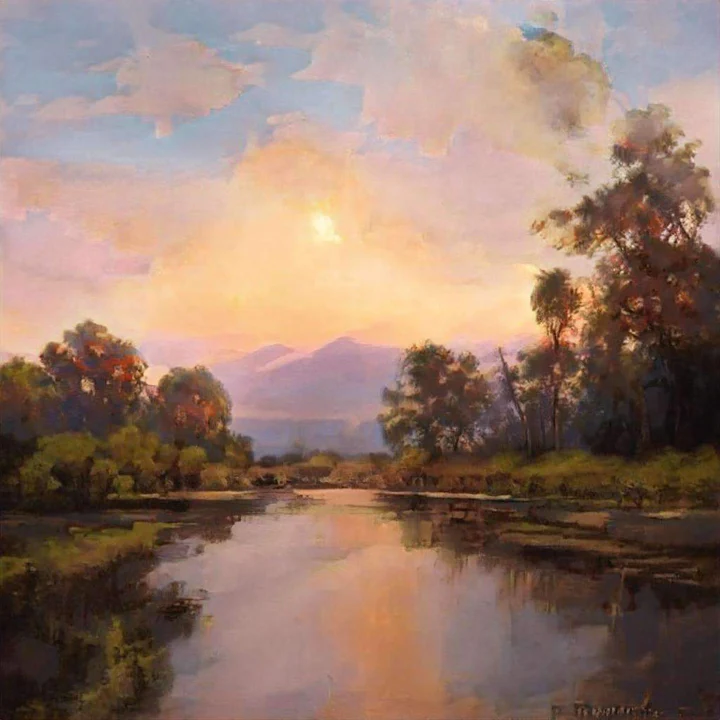
The real risk lies not in the tool, but in the erosion of discernment. As algorithmic images multiply, they quietly populate our environments—our feeds, our interiors, our marketplaces. Repetition begins to shape taste. Abundance begins to flatten distinction. When everything is impressive, nothing feels essential. Aesthetic saturation dulls sensitivity. In such a landscape, the decisive act is no longer generation, but selection. To choose carefully becomes more meaningful than to produce endlessly.
Art as Declaration
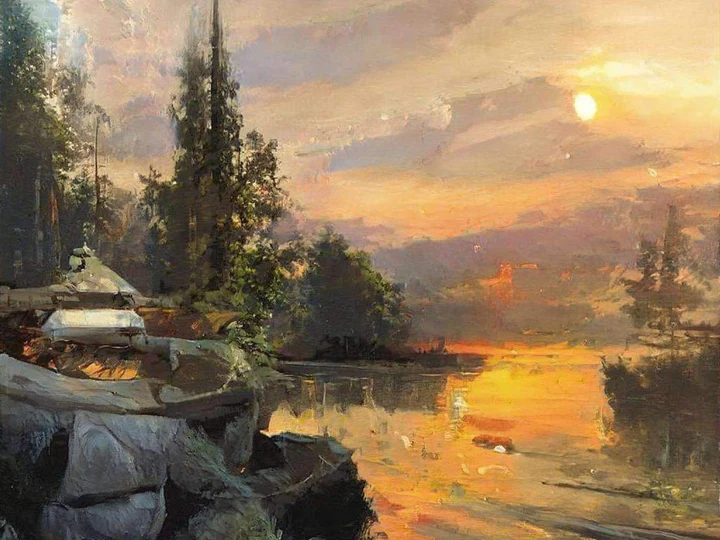
Art has never been defined by pigment, by line, or by chromatic intensity alone. It has never been merely the execution of visual balance. Art is a declaration of meaning. It is the moment someone asserts: this matters. It is an act of framing and elevation. Historically, this authority belonged to artists, patrons, collectors, and institutions. Today, as generation becomes automated, the defining gesture returns to those who are willing to judge with clarity and intention.
Tools, Not Authors
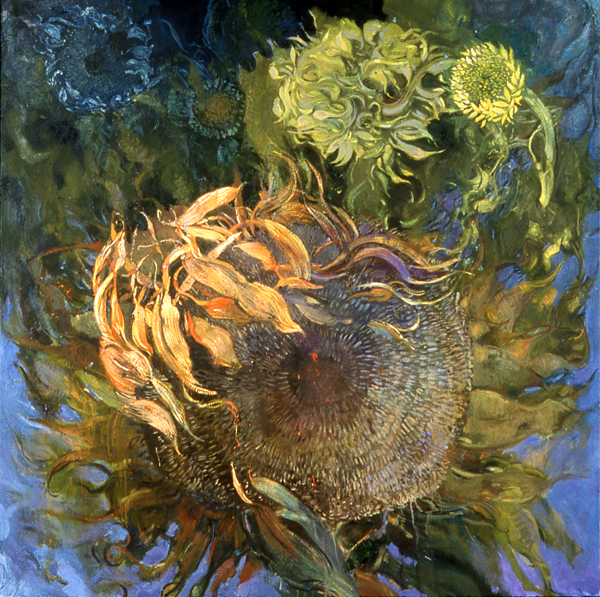
Our position is precise: AI is not the adversary of art—indifference is. We do not reject generative systems; we work with them. We treat them as instruments that expand possibility and accelerate exploration. Every work begins with a human idea, a thematic direction, a conceptual inquiry. AI assists in form-making, but it does not decide significance. Out of countless iterations, only a fraction survive. What remains is not the most complex image, but the one that resonates with intent.
Curation as Authorship
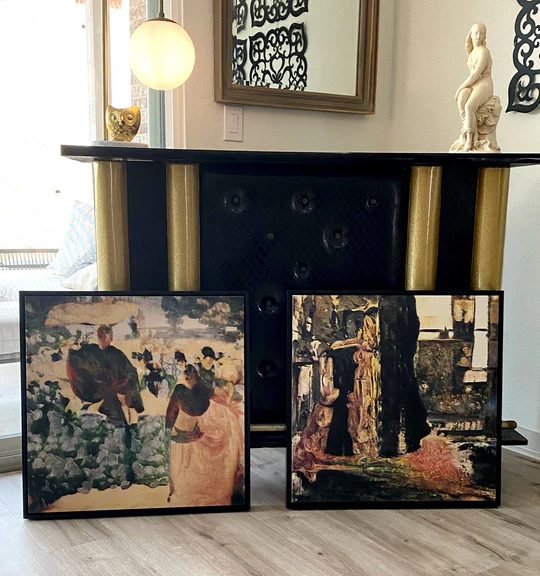
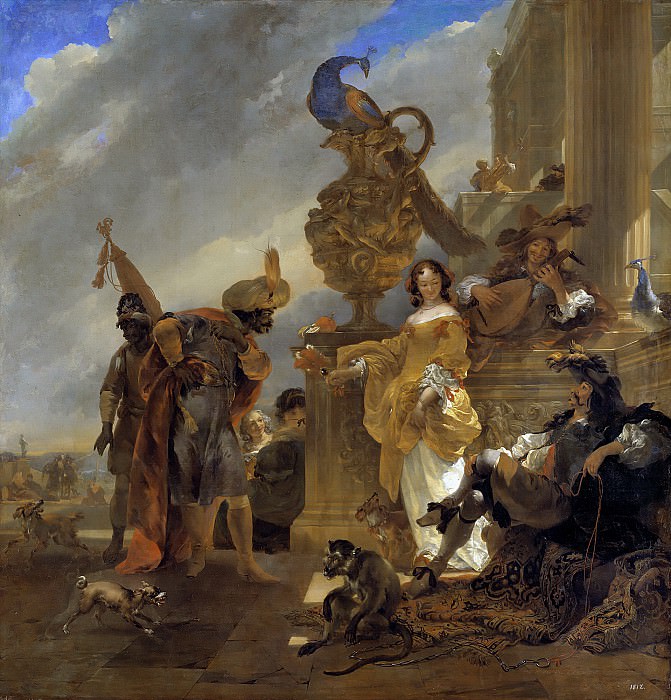
In an age of infinite images, curation becomes authorship. The defining act is not the click that generates, but the judgment that selects. We operate within the technological conditions of our time while preserving a fundamental standard: art must pass through human discernment. Each selected piece is treated as a witness object—an artifact that marks a specific intention within a specific cultural moment. It exists not because it could be made, but because it was chosen.
The Responsibility of Definition
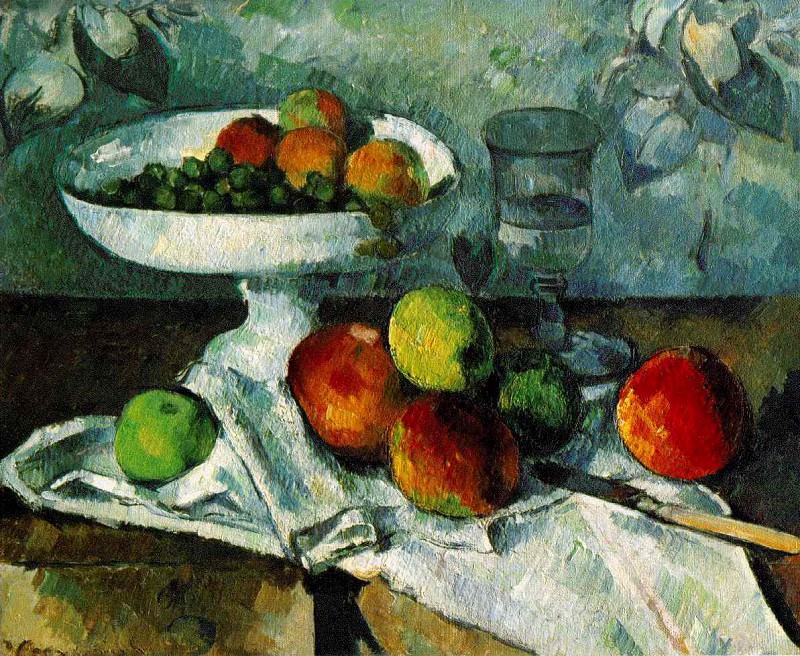
To reassert that art is defined by humans is not nostalgia; it is responsibility. Tools evolve, platforms shift, and production accelerates—but meaning cannot be outsourced. The future of art will belong neither to algorithms alone nor to those who resist them blindly, but to those who wield them consciously. Technology may generate form, but only intention grants it depth. In the age of algorithmic image production, what endures will be defined not by scale, but by human conviction.
-0.png?w=1694&h=1694)
.png?w=1090&h=1090)