About Whispart
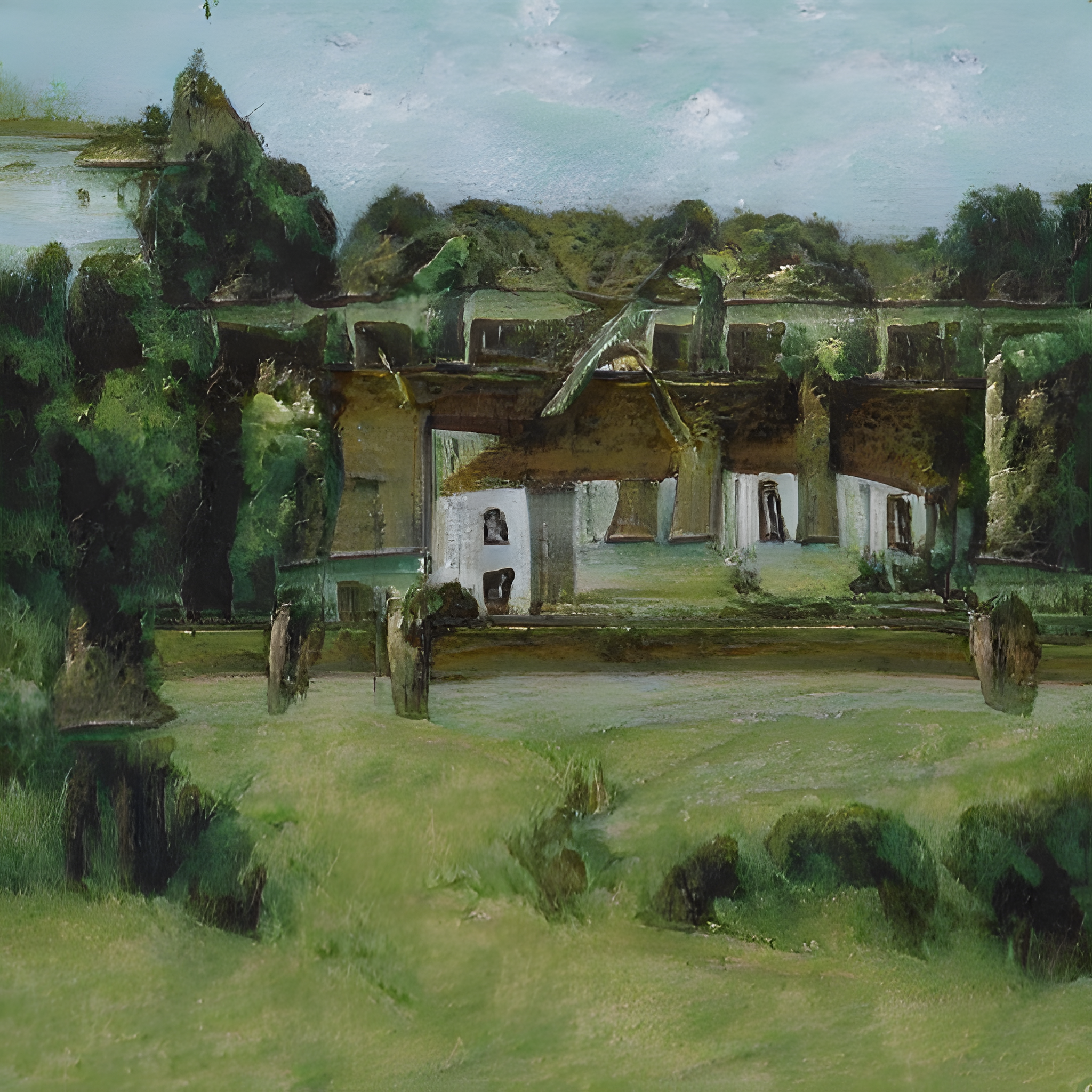
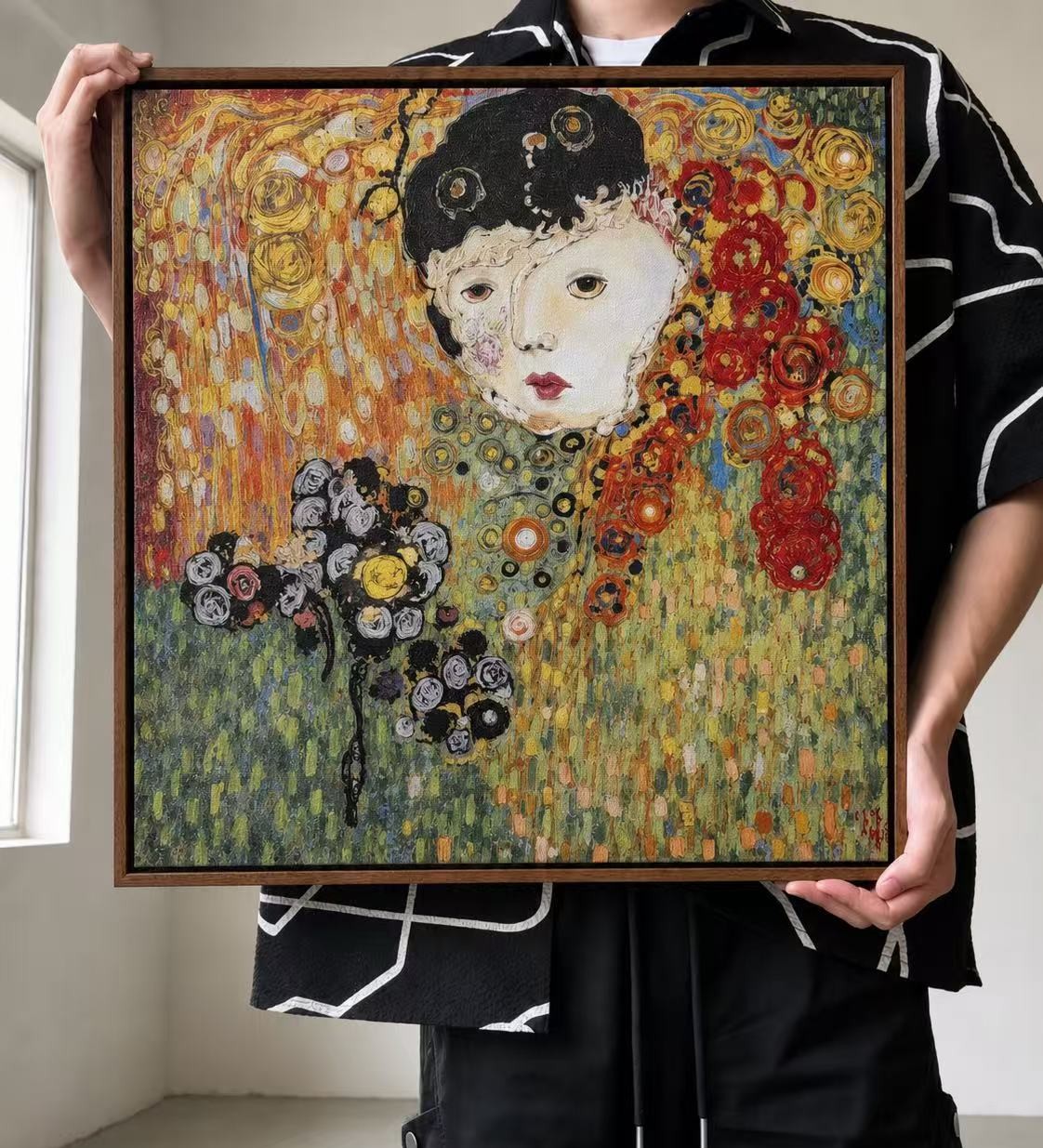
Whispart is a three-person, curation-led digital art studio founded in Kunming, China. We train generative adversarial networks (GANs), select images from their outputs, and develop them into one-of-one framed canvas works. Our current collection comes from the Mnemosyne GAN model. Image development and selection take place in our Kunming studio.
The name joins whisper and art: an ambition for art that can settle quietly into a lived-in space while continuing to reward attention. We shape the conditions in which images emerge, then decide which deserve to become objects.
Why Whispart began
Before Whispart, we spent roughly two years selling AI-generated wall décor through large online marketplaces. Thousands of canvas orders taught us about turning digital images into physical products. They also exposed a limit: in a business driven by low prices and interchangeable images, it was difficult to build a lasting identity around the work.
We closed those shops to build a studio of our own. The question became more demanding: which images would we actually want to keep in our homes? A striking picture on a screen was only the beginning. We wanted works that could hold their place in a room without continually demanding attention.
How we arrived at GANs
We began with pretrained image models, experimenting with prompts and even random combinations of words. Later, we spent several months exploring LoRA fine-tuning, which adapts an existing model through additional training. A few images stayed with us; one became a framed work in the founder’s mother’s study. But our prompts still directed what the machine was asked to depict.
A turning point came when we encountered Portrait of Edmond de Belamy, the GAN portrait by Obvious auctioned at Christie’s in 2018. Its unresolved features and empty areas made us curious about a different direction: machine-made images did not have to become ever more polished or complete.
We wanted to control the conditions without prescribing the image. Training our own GANs let us choose the visual material and model direction, then explore images without a text prompt specifying each scene. This suited the studio we wanted to build, with more of our judgment concentrated in preparation and selection.
From source material to selected images
Preparing and training
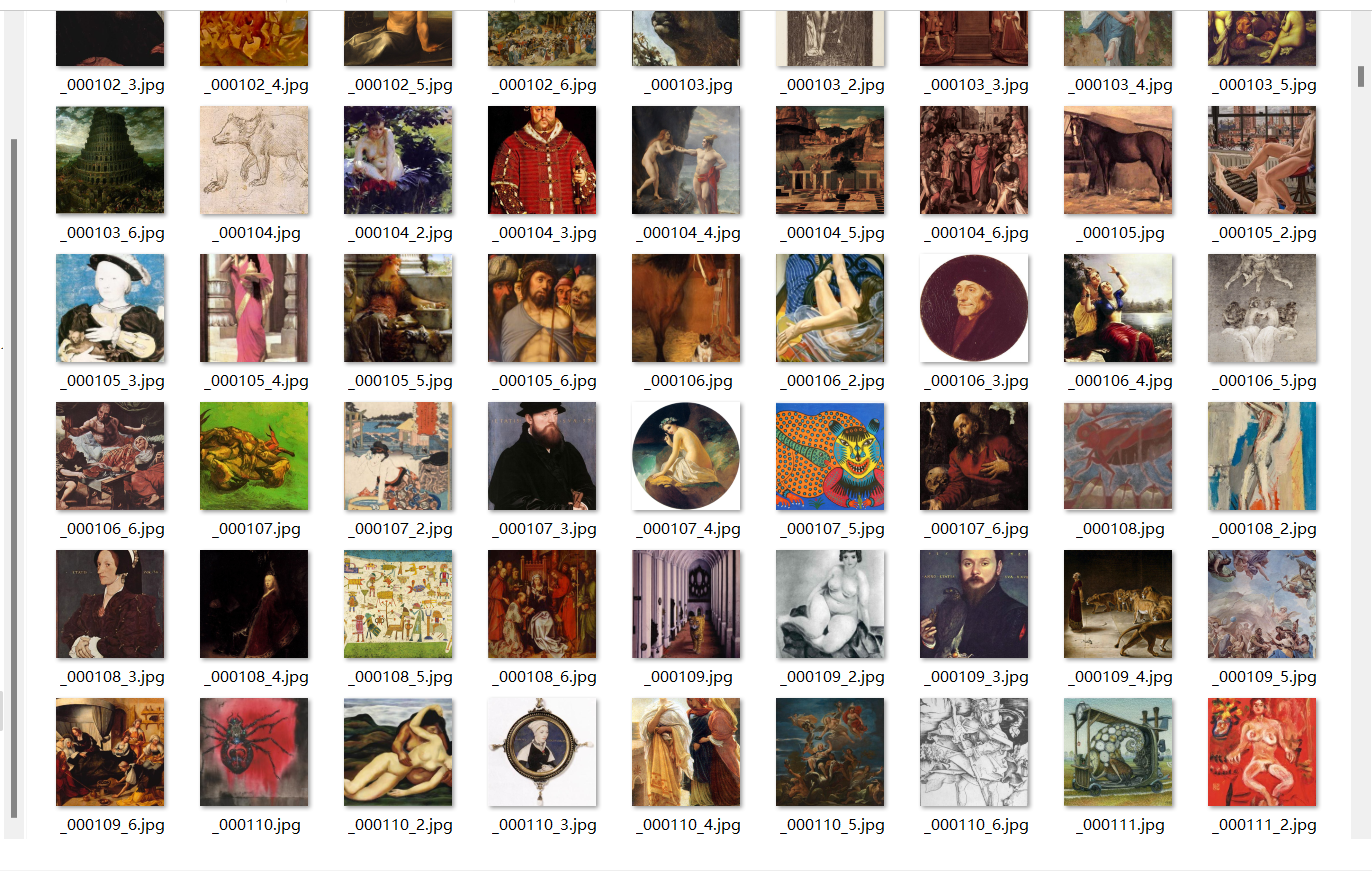
We gather high-resolution painting images, review their source and rights information, and group them by qualities such as medium, composition and mood. One of our earliest GAN experiments used roughly 20,000 images; each training direction draws on a selected set, rather than every file in the archive.
Dataset choices, cropping and model evaluation establish a visual boundary. They influence what can emerge without specifying a finished composition.
Looking through the results
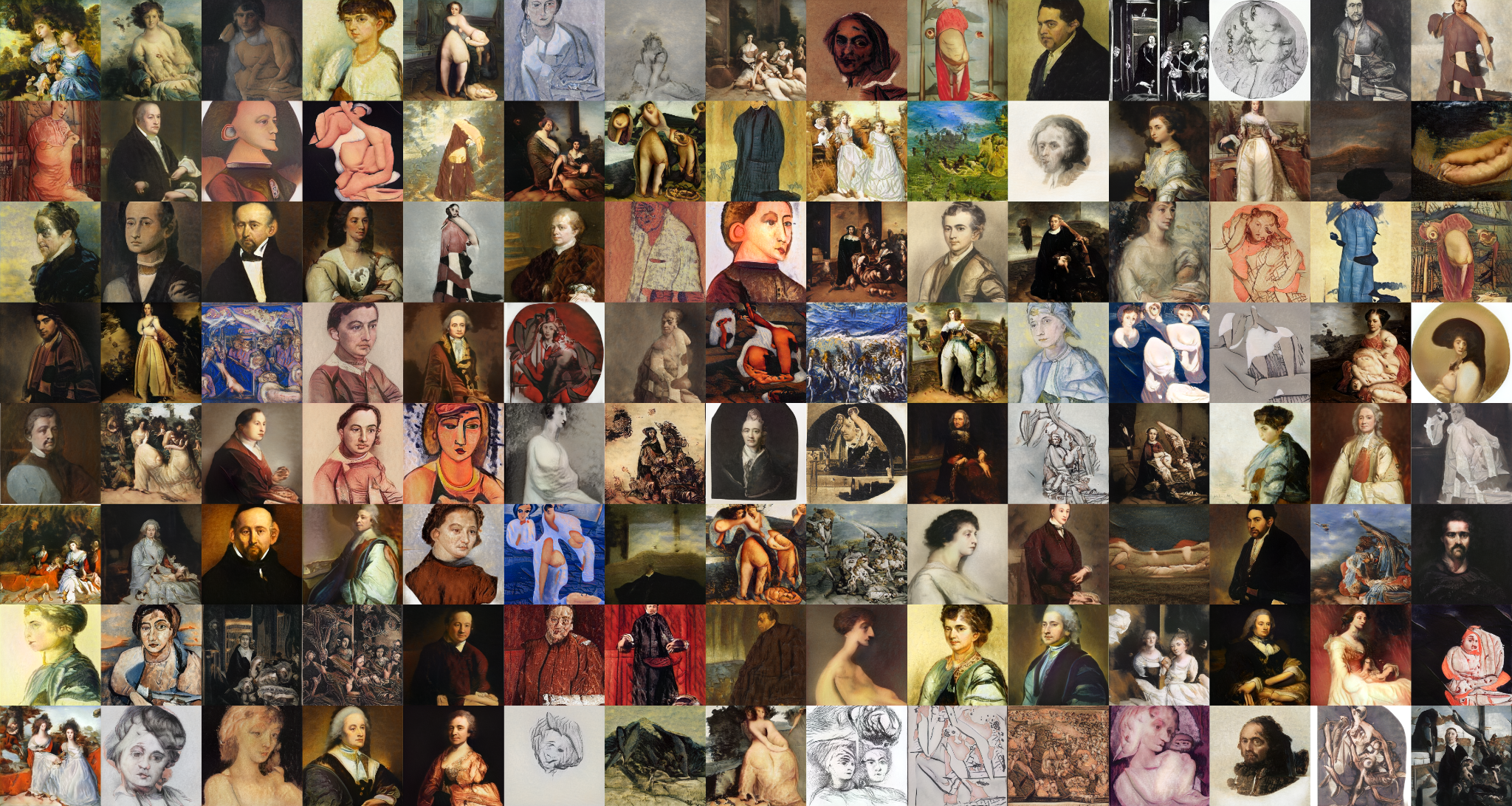
Mnemosyne produces many images from sampled values in its latent space—the numerical space from which the generator builds images. We review batches together, looking for a distinctive structure, mood or unexpected relationship.
Selection is not simply removing bad outputs. A technically convincing image can still give us no reason to keep it. Read how we train, select and proof a work.
Sources include open collections and public projects from the Rijksmuseum, The Met, Cleveland Museum of Art, National Gallery of Art, SMK, Smithsonian, Wellcome Collection, Wikimedia Commons and Wikidata, Yale, and the Getty Museum. Availability on a website does not by itself determine an individual image’s rights status. These institutions are not affiliated with or endorsing Whispart.
Familiar, but never fully resolved
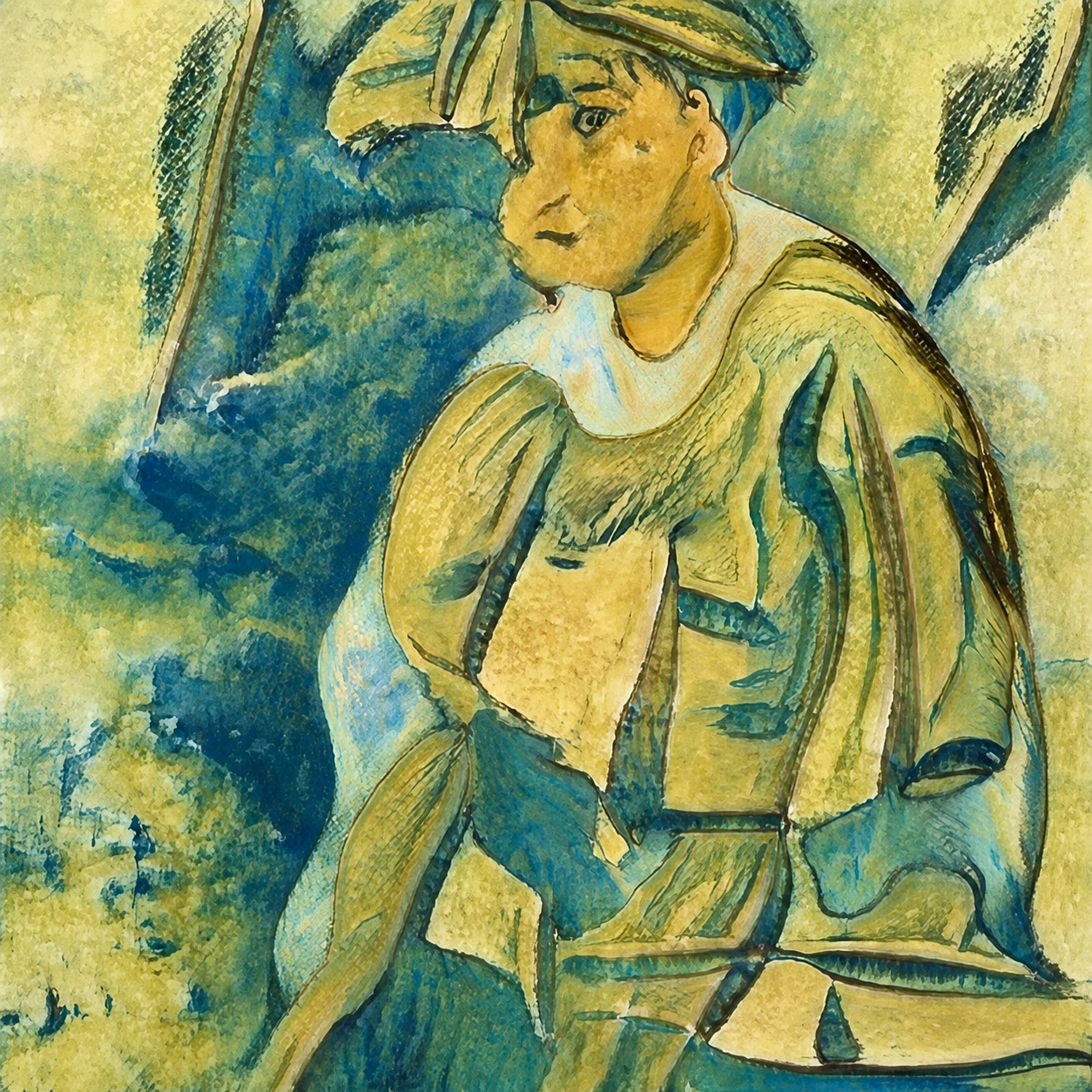
A shape may suggest a mountain, a building, a bare tree or a person. Look again and the identification starts to slip. We are drawn to that interval between recognition and uncertainty: enough structure to enter the image, enough ambiguity to keep looking.
It reminds us of a dream whose atmosphere feels familiar even though its details will not settle. At first glance, an image should make us stop; on a second look, it should raise a question; over repeated viewing, it should resist being exhausted by one explanation. This is our taste, not a formula for judging all art.
“Quiet” does not mean empty or uniformly pale. An unusual colour or a strange mark can carry considerable tension while still belonging to a coherent whole. The eventual meaning can change with the person who lives with it.
An image becomes an object
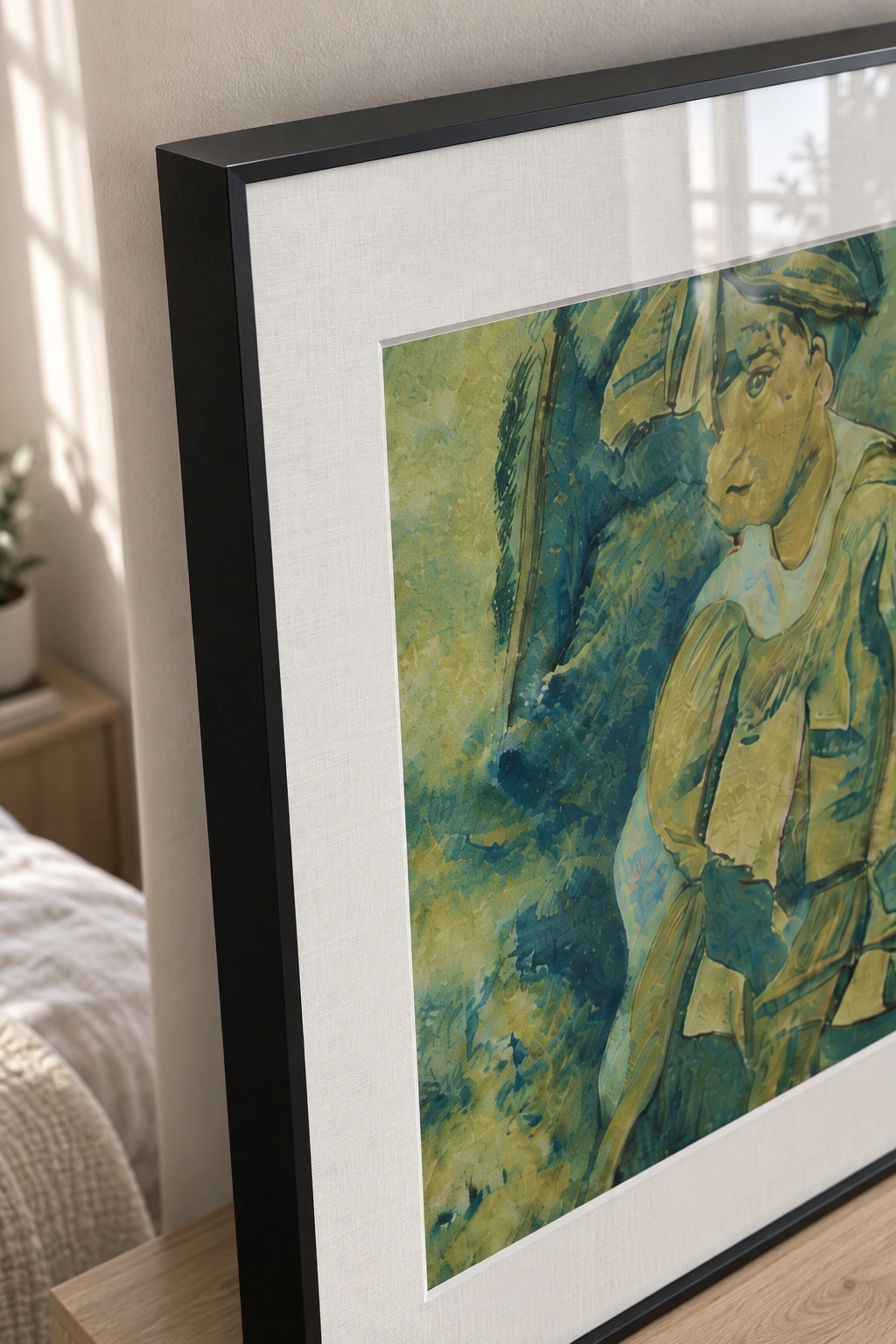
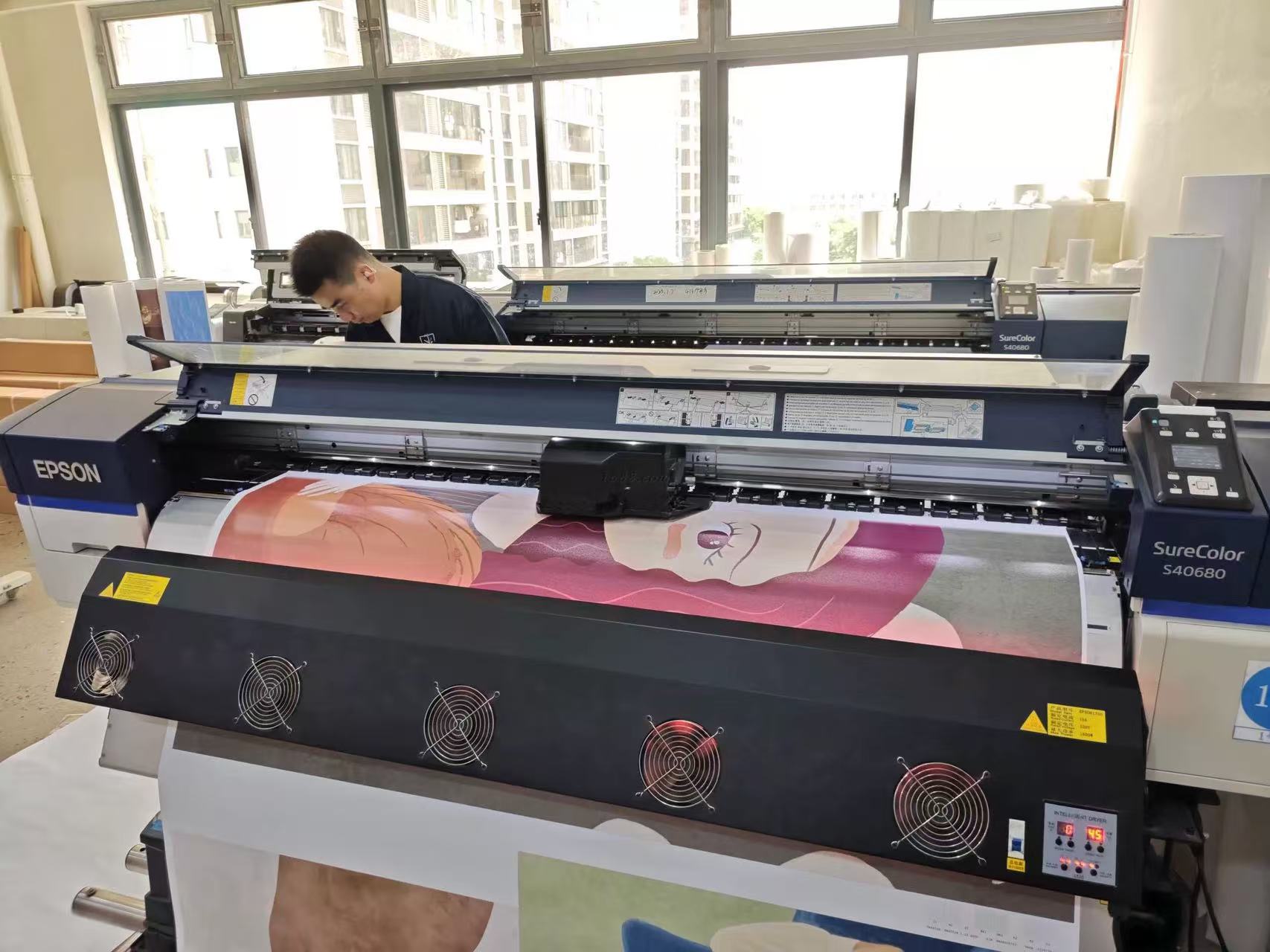
Choosing and naming an image gives it a place in our work. Making its physical edition is another stage: test prints, colour adjustments, canvas, liner and frame all affect how it is seen. Material texture and reflected light create a different experience from a luminous screen.
From the workshop to your home
Our three-person team develops and selects the images in our Kunming studio. Our production partner in Zhejiang prints the selected image on textured canvas using fine-art inkjet printing and completes the chosen framing. A Whispart team member in Guangzhou receives and checks the finished work before arranging international dispatch from Guangzhou.
For a designated final image, Whispart authorizes one physical edition for release and sale. Studio proofs are part of preparation, not additional editions for collectors. The four framing options are alternatives for the same single physical original, not four separate editions. The collector chooses one framing option for that work; it is not produced again in another frame. The collector FAQ explains this commitment.
The people and place behind the studio
Founder Tan Liyuan leads the studio’s direction, brand presentation and production partnerships. Tan Lichang works on source research, model training and the Journal, and coordinates dispatch from Guangzhou. Yan Jiajing provides programming and website guidance.
For Tan Liyuan, life in Kunming—with its bright light, broad skies, mountains and vegetation woven into the city—has encouraged attention to air, distance and space in an image. This is a personal influence on how we look, rather than a programme of adding regional motifs. Living among different cultural experiences also leaves room for a picture to have more than one reading.
Our role is to set boundaries, make choices and take responsibility for what we release. We do not claim that selecting an output makes us the painter of everything in it, or that a GAN has an artist’s intentions. Our contribution connects visual research, machine generation, curation and physical production.
Deciding what is worth keeping
As image generation becomes easier, the question we return to is why this particular image should remain. We spend time looking, leaving an image alone, and returning to it. We also ask friends and people interested in art how they see it; their responses inform our judgment without turning it into a vote.
We explain where a work comes from, but leave space for what it might mean to you. Our part is to choose carefully and make the physical object well enough that the encounter can continue beyond the first glance.