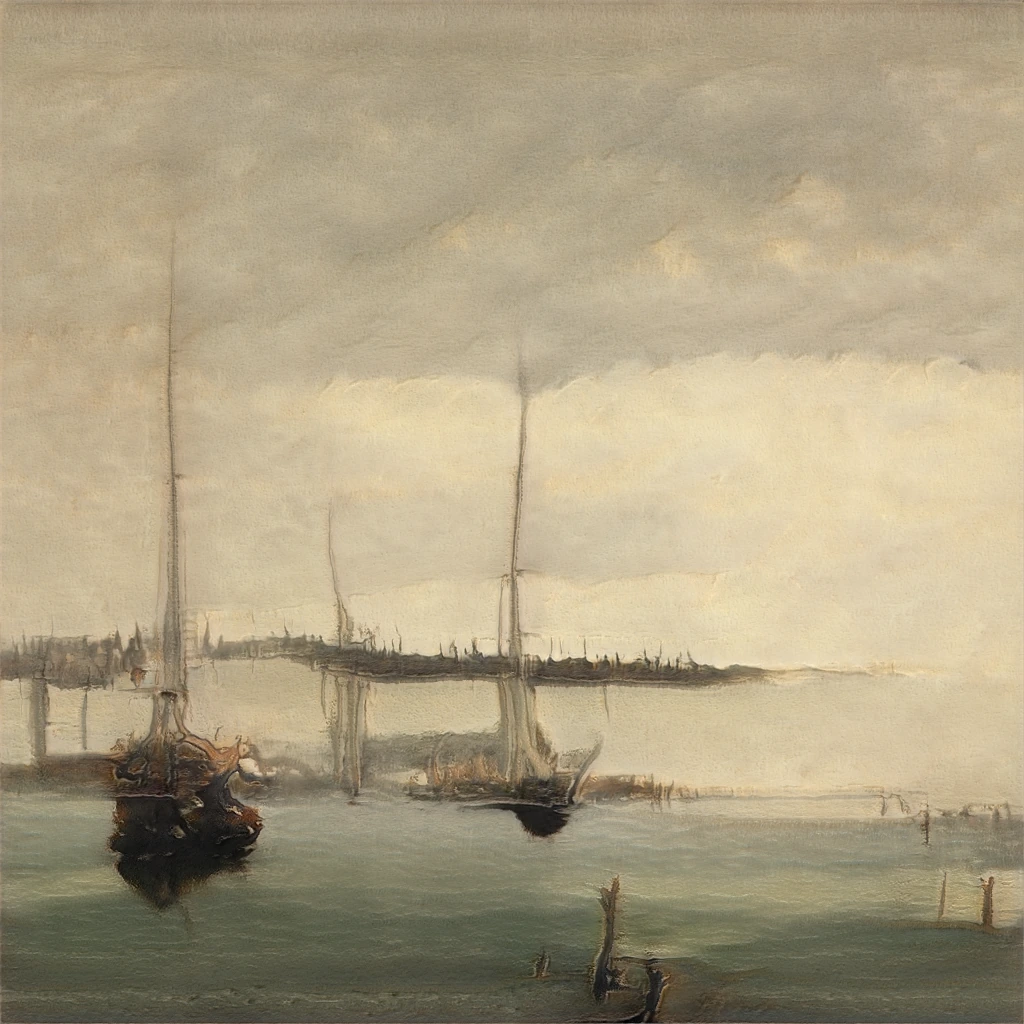
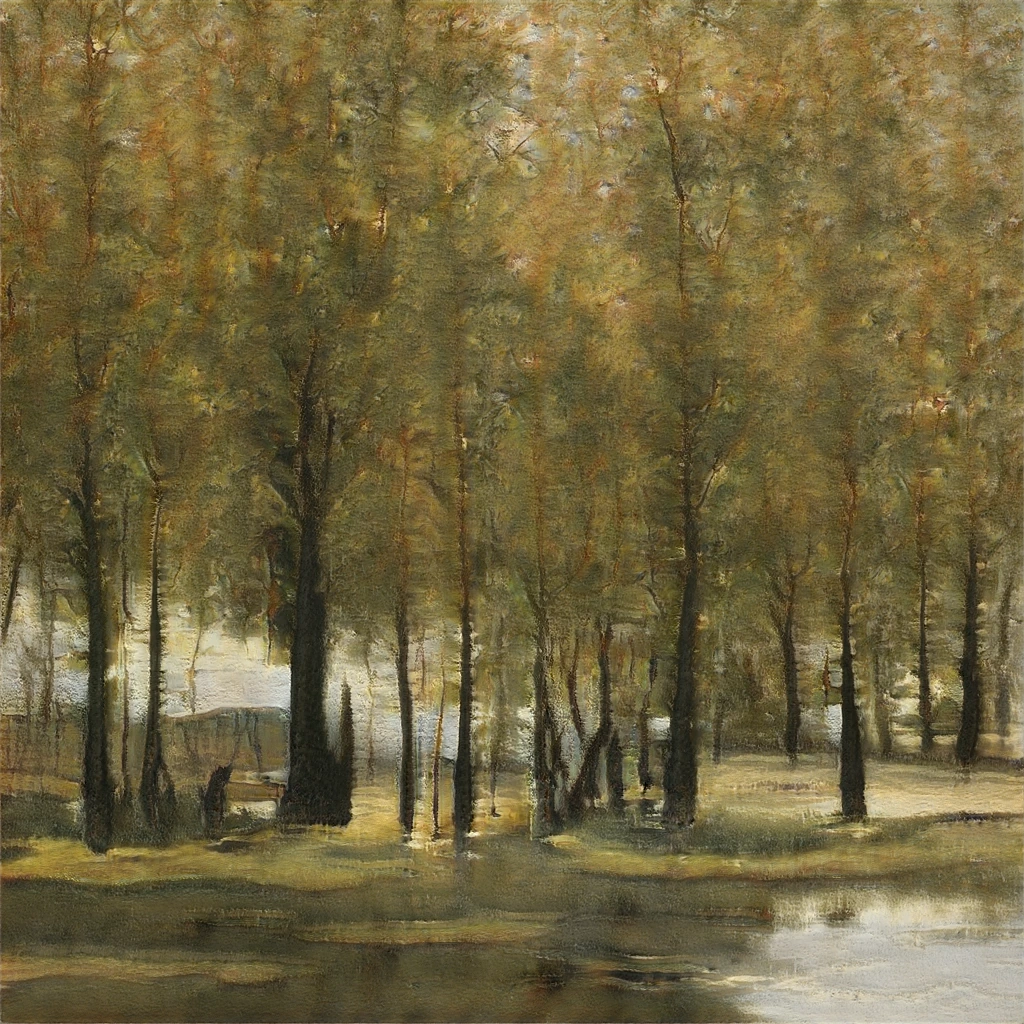
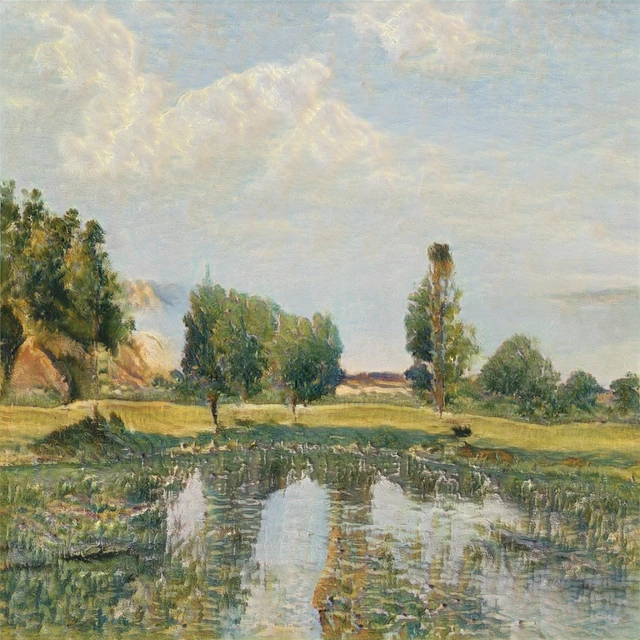
How Whispart makes GAN art
Follow our process from training Mnemosyne and selecting images to proofing, framing and recording one authorised physical work.

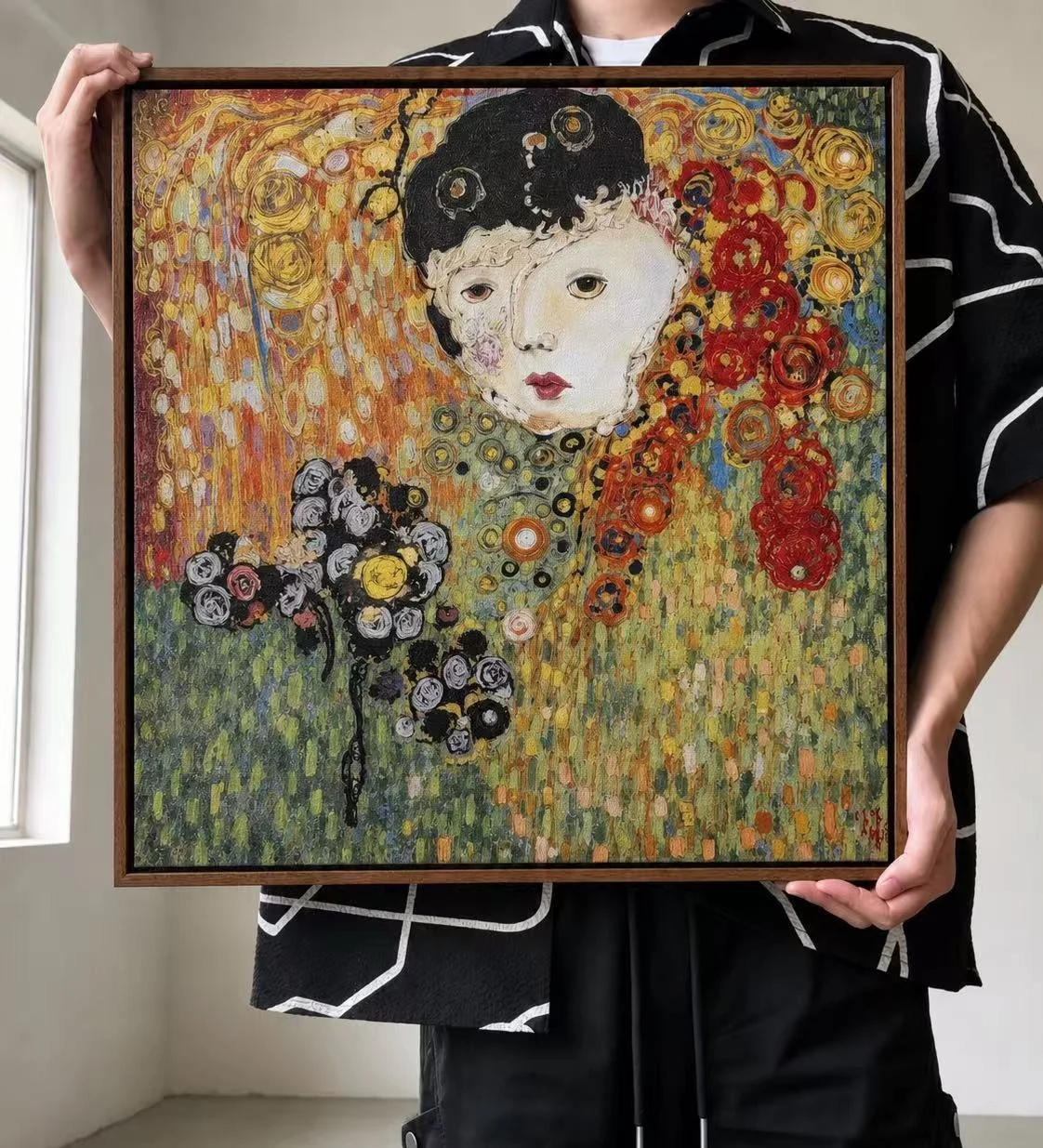
GAN-generated images, selected by our team and made into framed canvas works. One authorised physical edition of each final image.
New from imagined worlds

A small, numbered collection.
Works to keep and live with.
River Styx Crossing and The unfinished dance are available in four frame finishes.
View River Styx Crossing
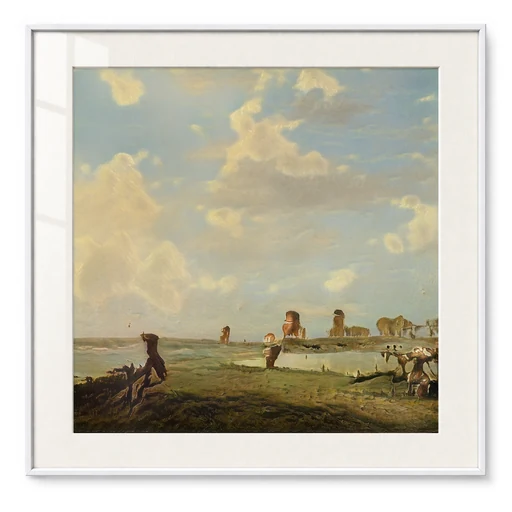
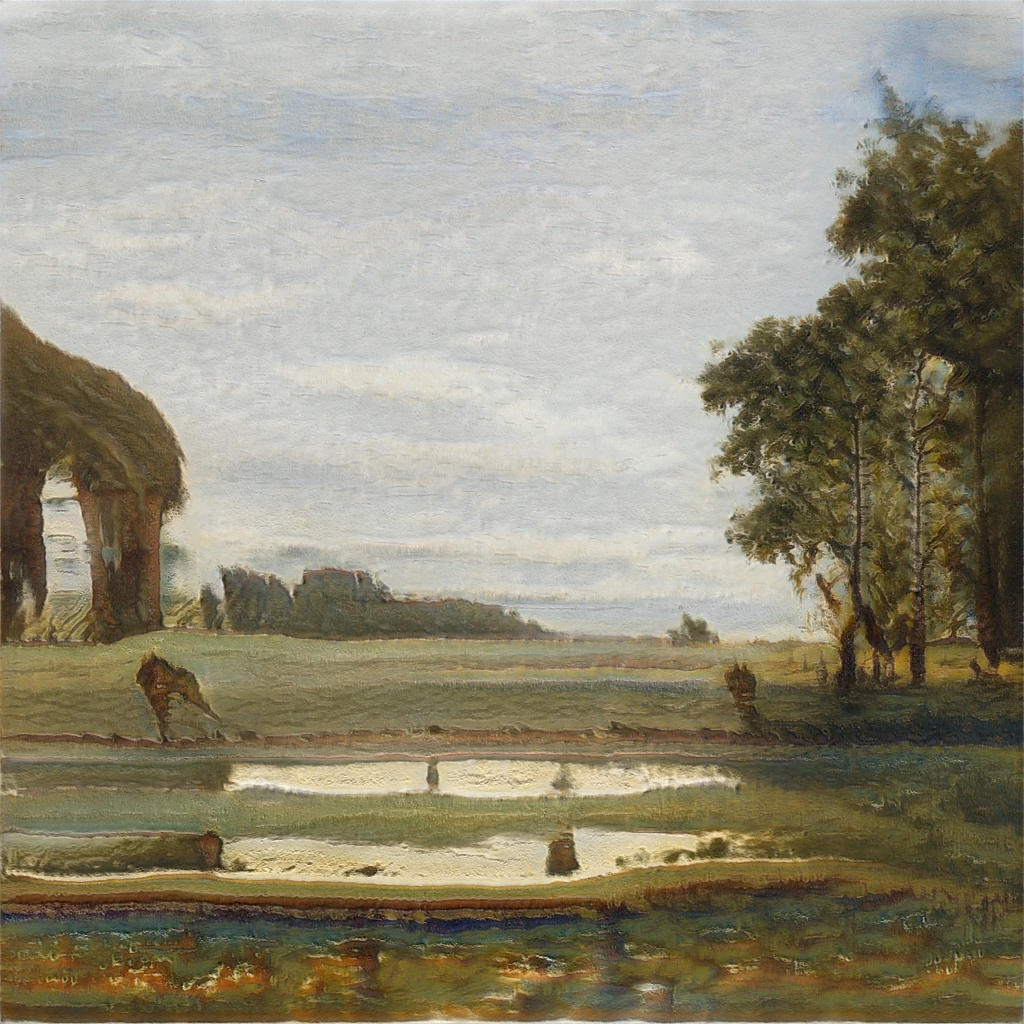
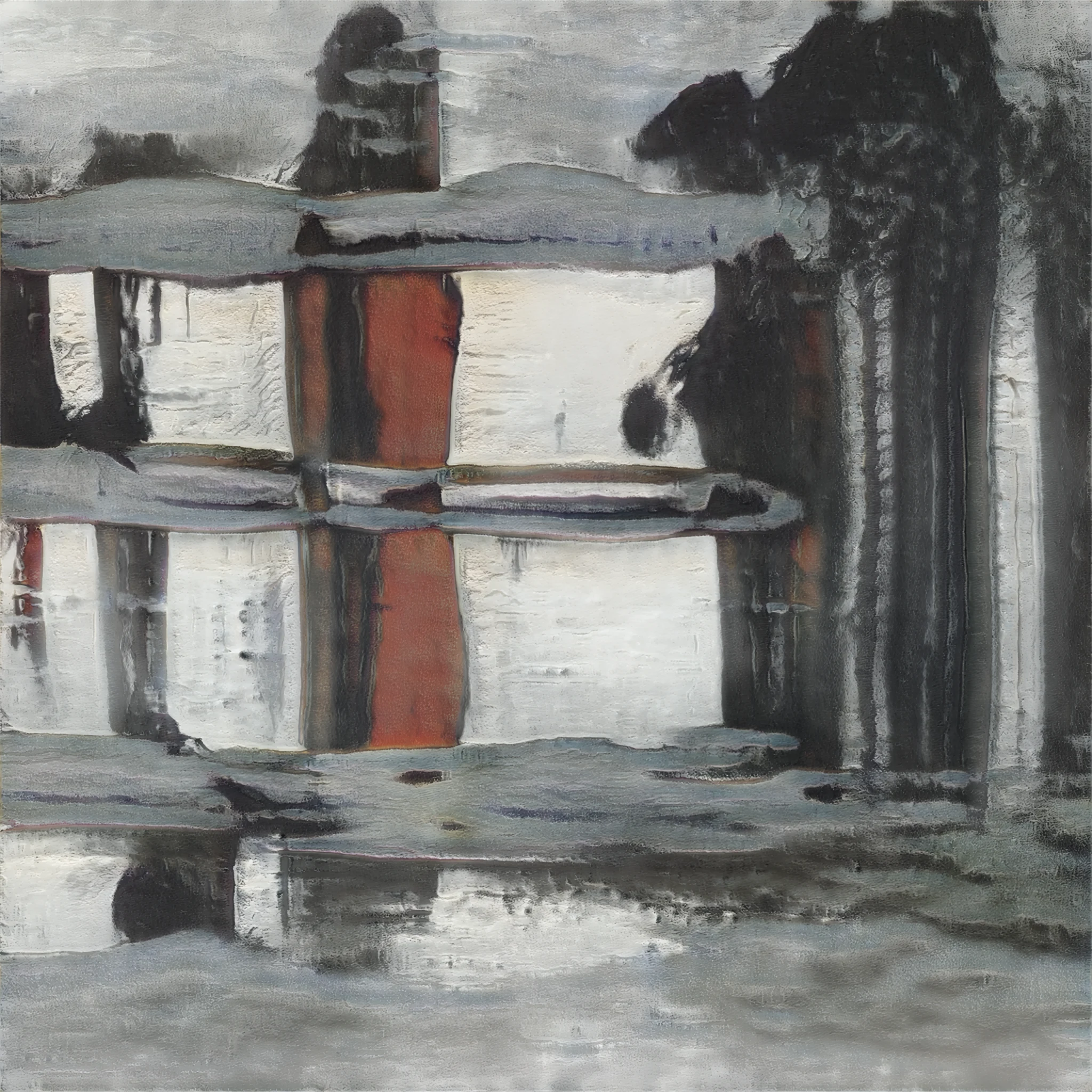
Our current collection comes from Mnemosyne, a GAN model we trained. Each image begins with sampled values rather than a scene written as a text prompt.
Human choices shape the process throughout: we select and prepare the source material, compare training results, and decide which images to produce.
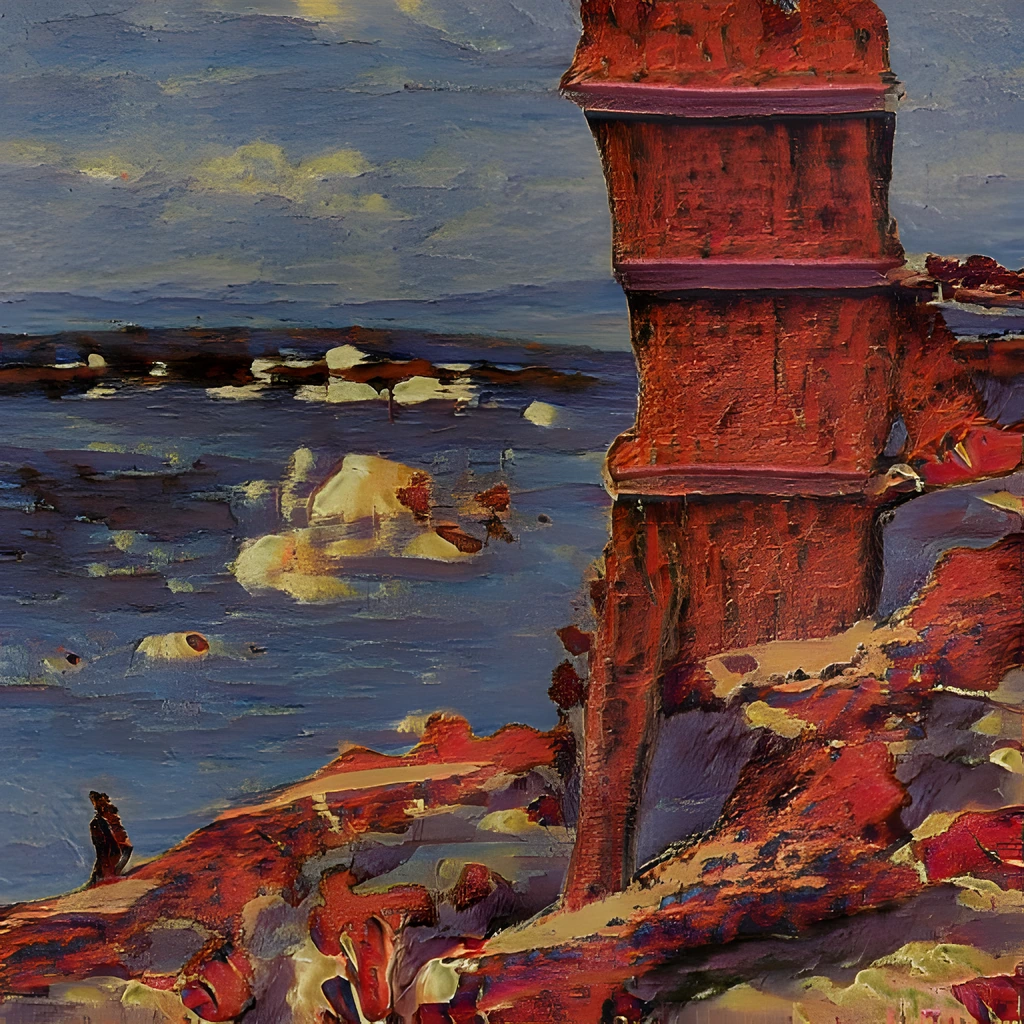
We choose individual outputs for their forms, colours and the relationships within them.
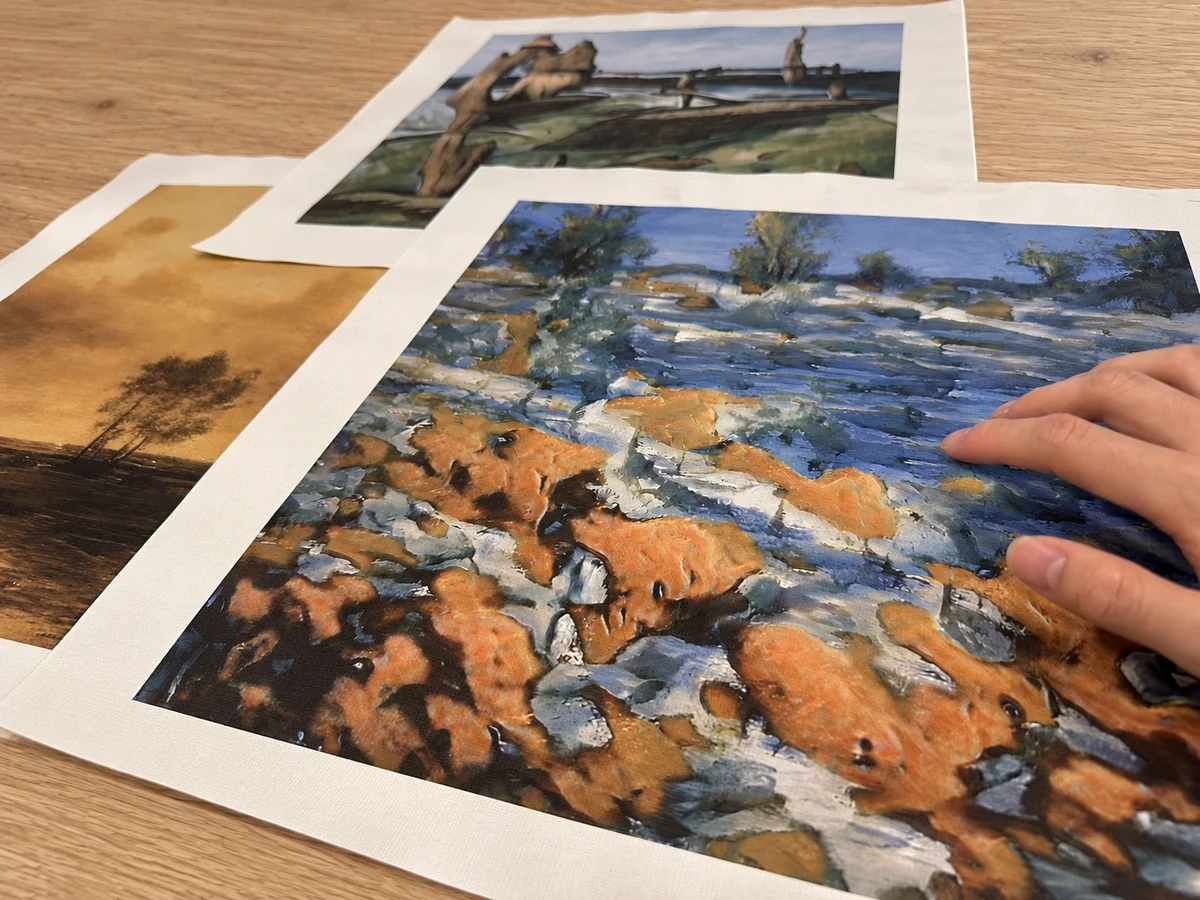
Studio test prints help us check and refine colours. Only images we are happy with go to our production partner for the finished work.
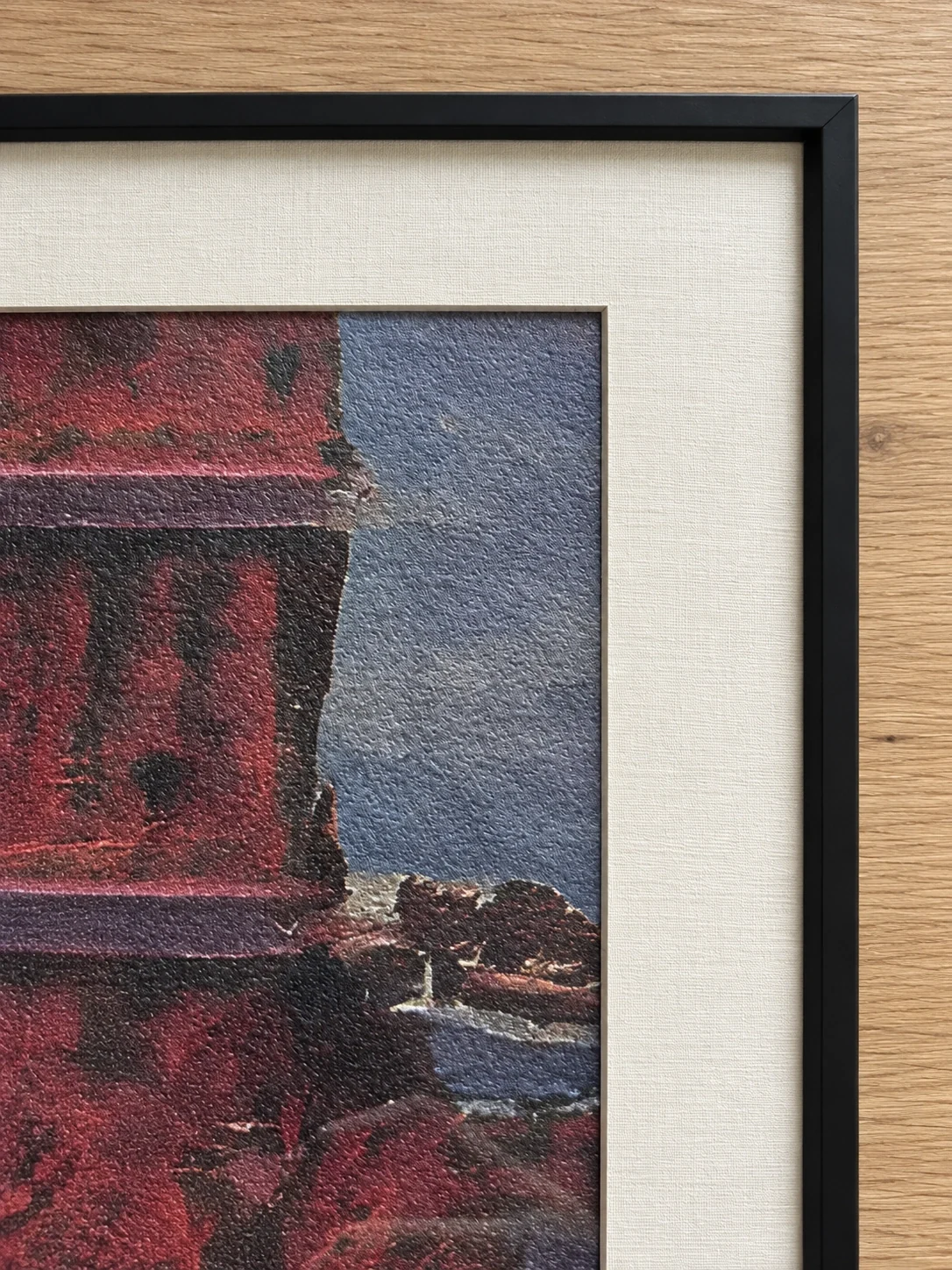
The surface, print and frame become part of how you see the work in a room.
Our partner in Zhejiang prints and frames the work; our team member checks and packs it in Guangzhou.
Read more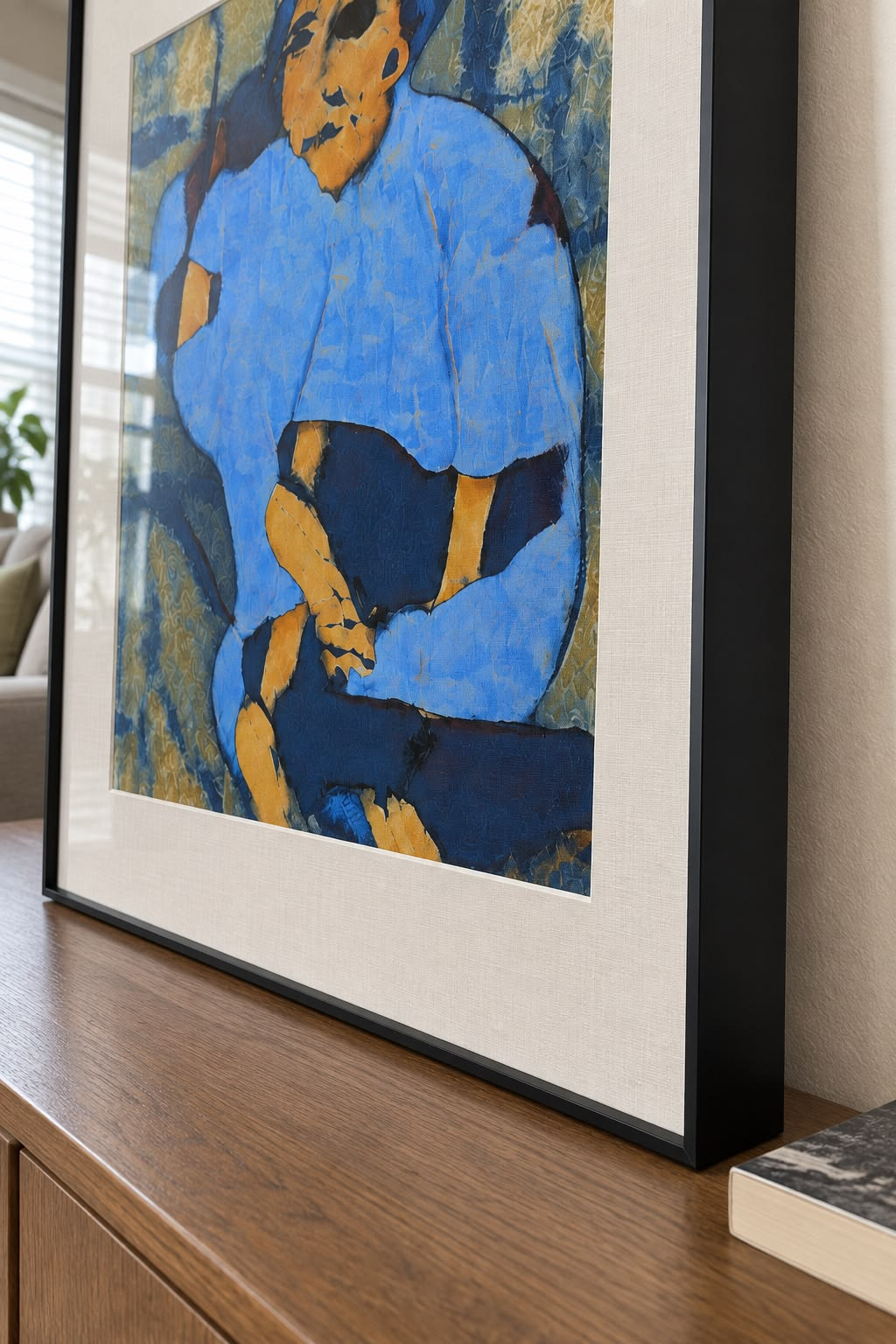
“She has been called to answer for a secret she never meant to possess. The gesture near her heart feels like an old rite of witness, performed before a deity who values honesty more than innocence. There is fear in this moment, but also dignity—the first dignity of someone choosing to remain visible rather than be forgiven too easily.”
WAS.MNE.035 · Mnemosyne · One-of-one
ViewFollow our process from training Mnemosyne and selecting images to proofing, framing and recording one authorised physical work.
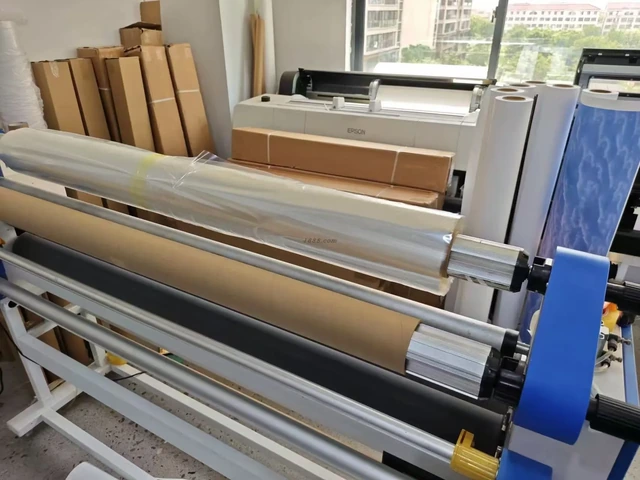
See how our images become physical works through textured canvas printing, framing, final checks and dispatch.
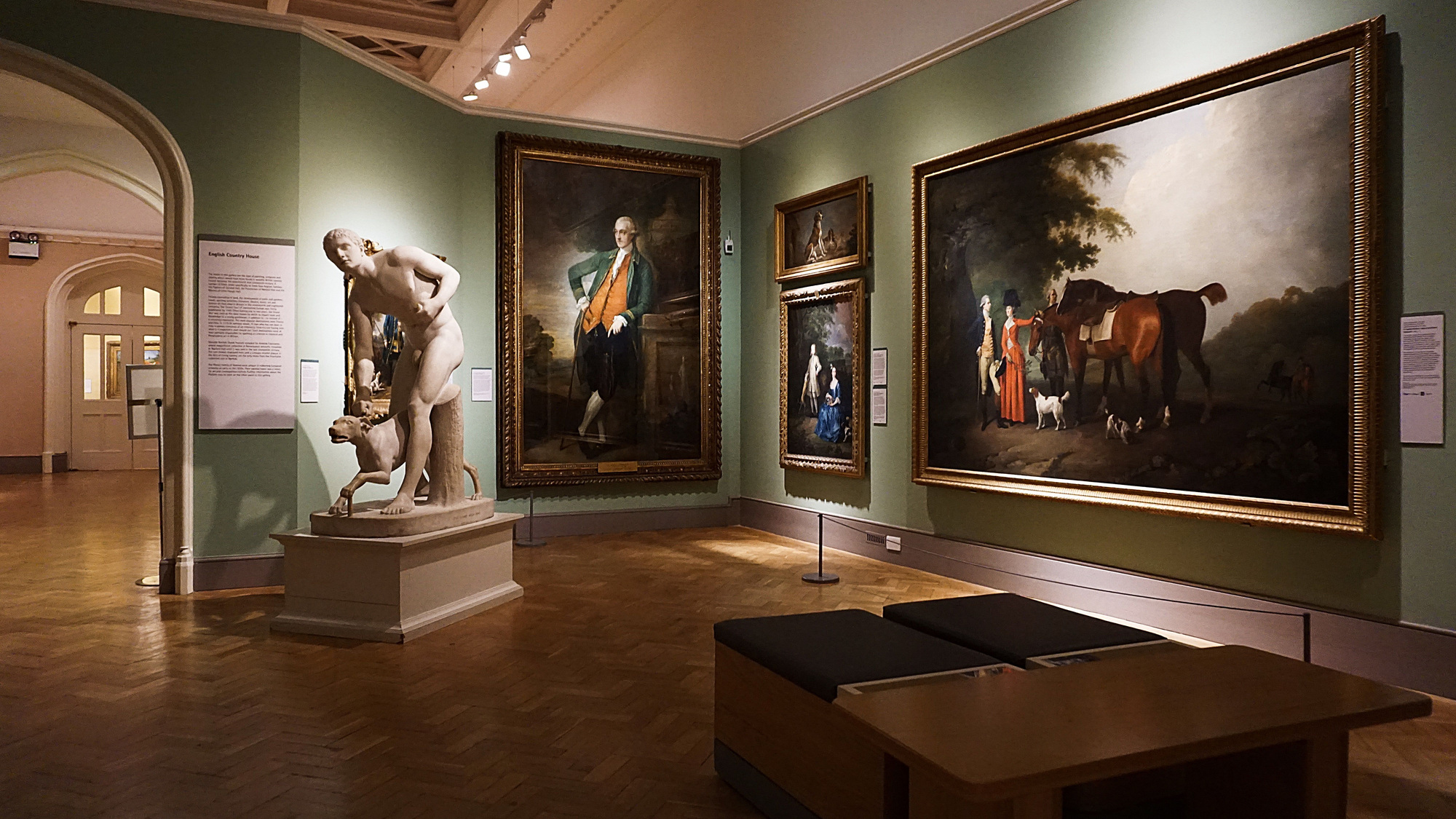
A face made from fruit, an eye as a balloon and an uneasy jungle: three ways familiar things become strange.
Add Whispart as a preferred source on Google.
About Whispart
Whispart began in Kunming with a question: could an image made with a machine become something you would want to live with?
Today, our three-person team explores that question through training, selection and the making of physical works. One of our early framed pieces found a place in the founder’s mother’s study.
Discover our story