How Whispart Makes GAN Art: From a Visual Archive to a One-of-One Work
We set a visual direction, train a GAN, and search its outputs for images that feel familiar without fully resolving. Human judgment decides what is named, made physical and released.
Where we decide—and where we leave room
We think of this as a controlled accident. Human choices establish the boundaries, while sampling leaves space for compositions we have not planned.
- Before generation.We choose sources, dataset, training direction, saved model state and sampling settings. The specific images remain open.
- During exploration.We choose which model and range of samples to explore. Different seeds can produce forms and relationships we have not anticipated.
- After generation.We decide which image to keep, name, proof, frame and release. How another person interprets and lives with it remains open.
Why this workflow fits Whispart
In our earlier prompt-led experiments, even randomised prompts began with words directing what an image should contain. We wanted to move more of our decision-making upstream, into the visual material a model learns, and downstream, into selecting what it produces.
Our GAN workflow gives us that separation. It does not remove human taste: the dataset and final selection are full of it. It allows the individual composition to surprise us. This is a choice about how we want to work, not a claim that GANs are inherently more artistic than other systems. The story of Whispart explains how we arrived here.
01 — From archive to visual direction
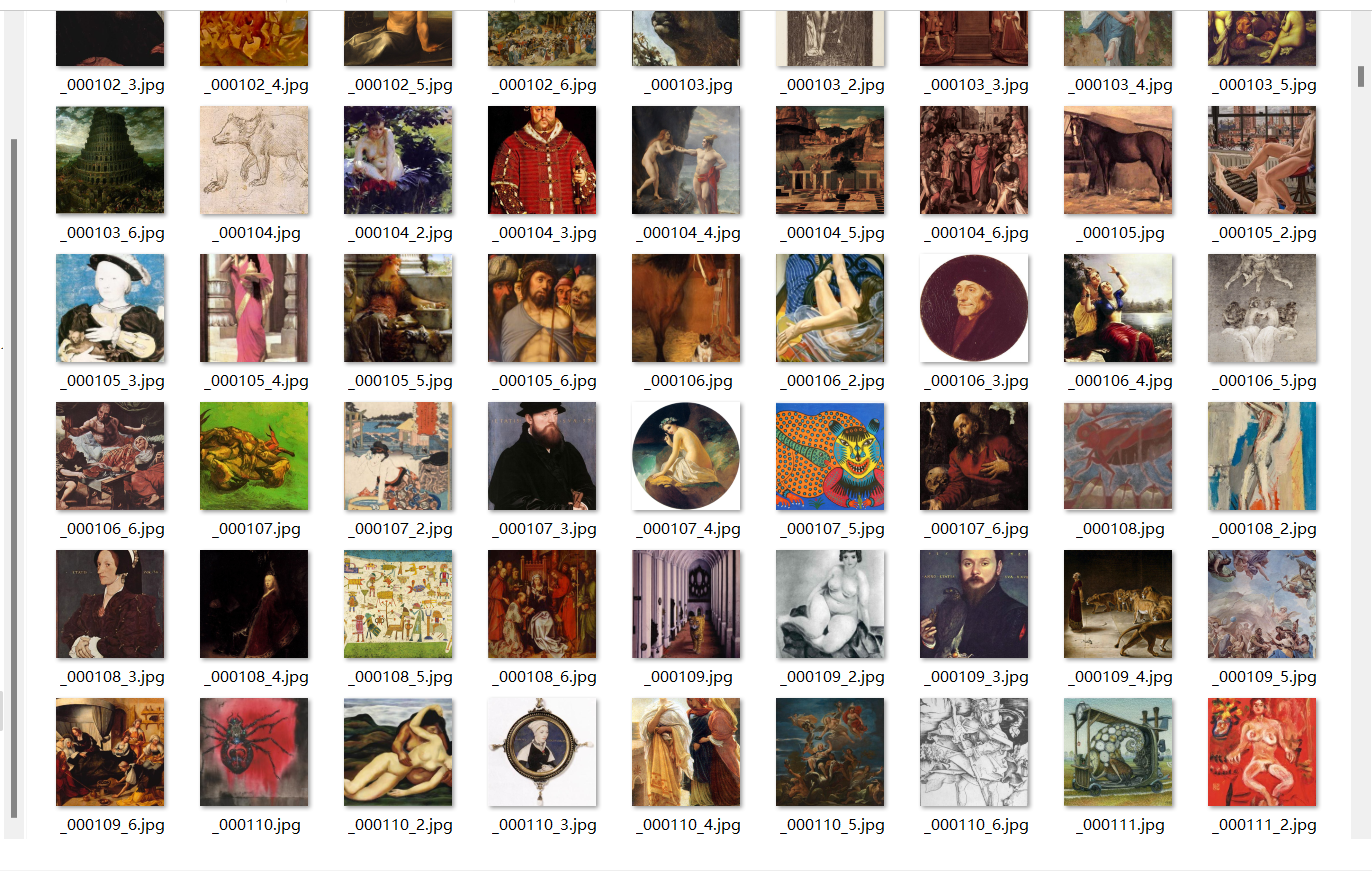
We review paintings, portraits, figure studies, landscapes and drawings, considering both their visual qualities and their source and rights information. The archive is a pool of material to study; a dataset is the smaller, deliberately chosen group used for a particular training direction. One of our earliest experiments used roughly 20,000 images.
We group material by qualities such as artistic movement, medium and abstraction, then choose a direction. For example, a model aimed at an airy, tranquil mood might draw mainly on landscapes, with a smaller group of related abstract works. In the founder’s example, that balance was about 70:30. It illustrates a working choice, not a universal GAN recipe: both groups still need to support the intended mood.
02 — Preparing material before training
Preparing the files also shapes what the model can learn. We review relevance and rights, remove unusable or duplicate files, and crop and resize the selected material consistently.
Our current workflow uses square training images and produces square outputs. That is a choice in this setup, not a rule that all GAN art must be square. A crop changes which relationships remain in view, so file preparation is part of the visual judgment.
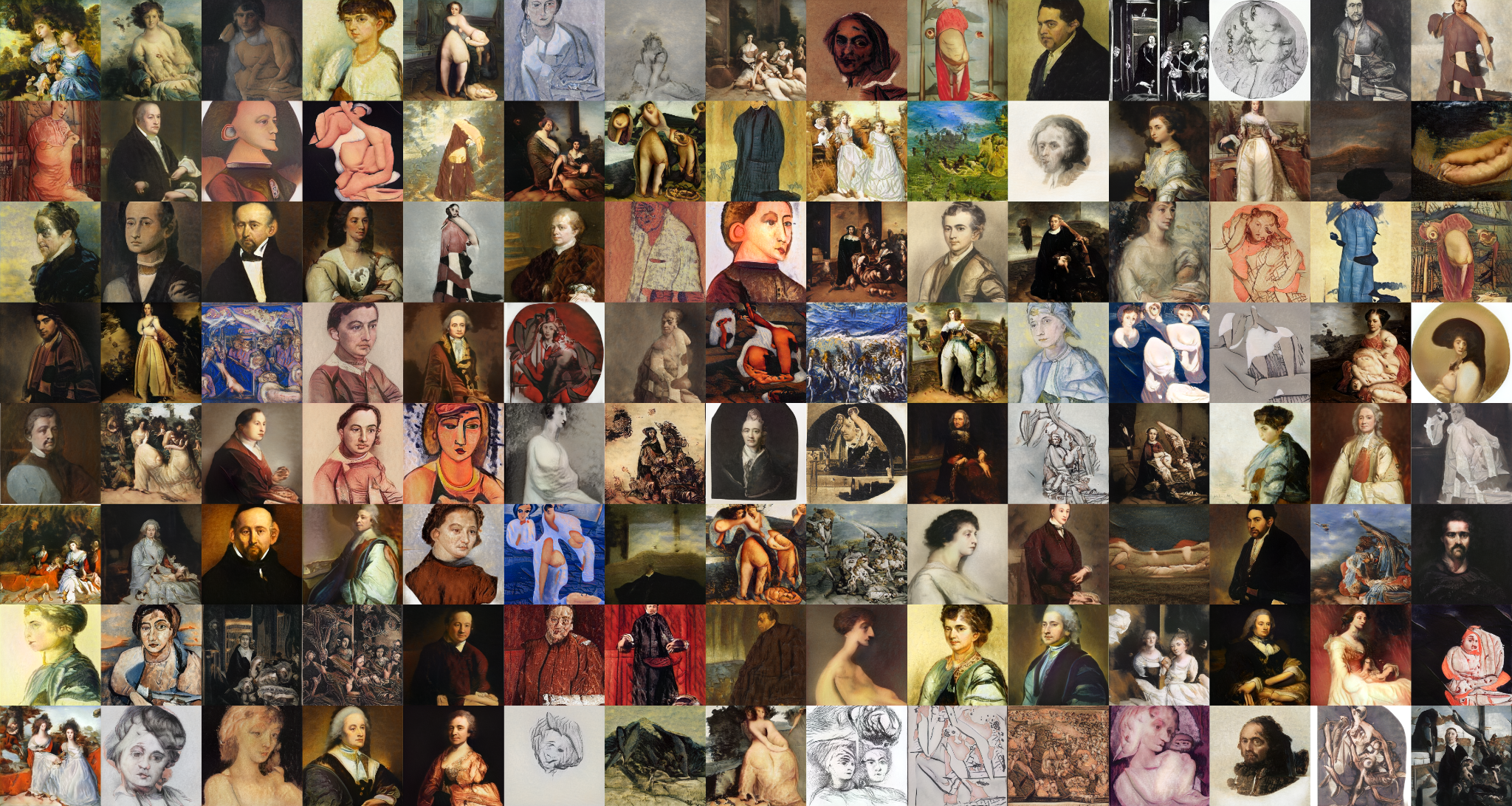
The montage below shows the variety of source imagery assembled for training.
03 — Training a system, not commissioning one image
A GAN is built from two networks with different jobs. A generator proposes images; a discriminator learns to distinguish generated images from the training examples. Through that adversarial training, the generator is pushed toward the visual distribution of the dataset. The original GAN paper describes this as a minimax game between the two networks—not as a machine finding one hidden answer waiting in a folder.
During training, feedback from the discriminator helps update the generator. Once we explore a saved model, sampling uses its learned parameters to produce images; the model is not watching its picture and developing a new personal intention. Training feedback and a human artist’s changing intention are different things. For a broader introduction, see how AI art is made.
Why more training is not automatically better
A checkpoint is a saved state of a model during training. We evaluate what a state produces, rather than treating its place in the training sequence as a quality ranking. Greater clarity may help an image hold together; it may also make a particular result less interesting to us if the uncertain forms we valued become too resolved.
Earlier is not automatically better either. In early experiments, some machine traces were intriguing but the images remained too abstract for the quiet presence we wanted in a room. We look for a balance between structure, ambiguity and a distinctive mood, and use informal feedback alongside our own repeated viewing. If the direction is unproductive, revisiting the dataset may help more than simply training longer.
This is our aesthetic criterion, not a claim that extra training inevitably removes ambiguity or causes repetition.
A model process, made visible
Notice the changing grain, muted colour and loose structure. This studio clip shows output in motion; it is not a comparison of labelled checkpoints or a step-by-step record of a single image being generated.
04 — One model, many possible images
A seed initializes the random sampling used to produce an image. With the same model and the same generation settings, it helps us return to a sample; changing the seed explores another possibility without retraining. The latent vector is the numerical input the generator maps into an image, rather than an existing “base painting” that it edits. StyleGAN research describes one influential approach to this kind of control.
We also choose sampling settings, including truncation where used: a way of restricting how far samples range through the latent distribution. Such choices influence variation, but do not tell us which image is worth keeping.
05 — What we actually look for
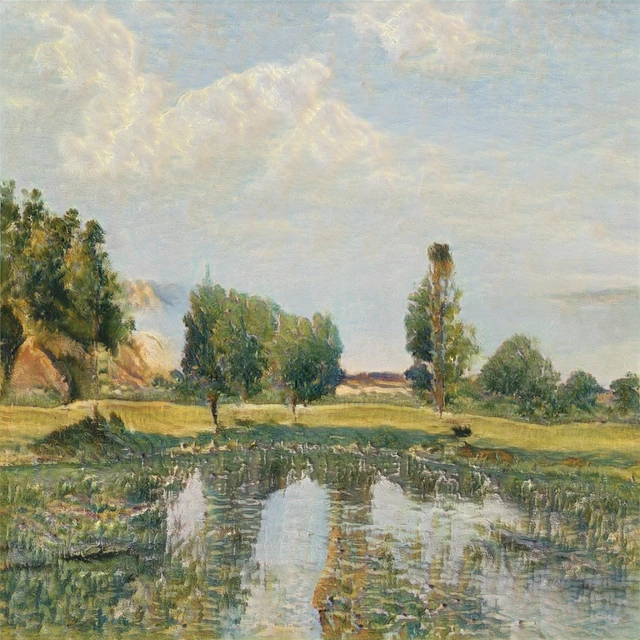
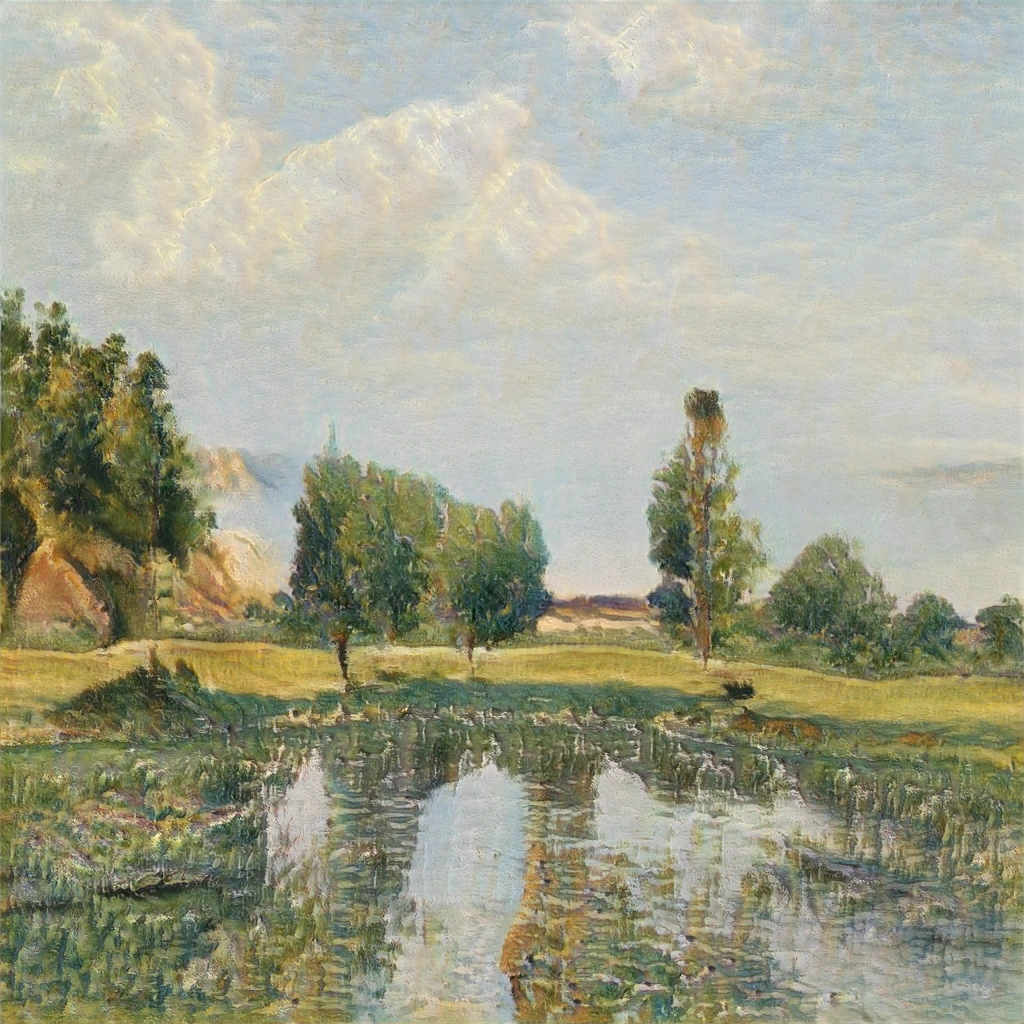
We review large batches together, looking for an image that makes us stop before asking what it represents. It might suggest a mountain, a building, a bare tree or a figure, then become harder to identify the longer we look. Enough structure gives us a way into the image; unresolved details leave room for another reading.
First, does it hold our attention? On a second look, does it raise a question? Returning later, does it offer more than the first interpretation? A sense of space, an unusual colour relationship, a gap or a strange but coherent mark can all matter. These are shared questions, not a scoring formula.
An imperfection is useful to us when it adds tension or ambiguity while the image still holds together. We set aside two broad kinds of output: those so unresolved that we find no visual or emotional foothold, and those that are competent but indistinguishable from many neighbouring samples. A clean image is not necessarily a compelling one; an error is not automatically interesting.
When a candidate becomes a work
- Output.One generated possibility among many.
- Selected candidate.An image we keep for closer consideration; selection may still change.
- Designated image.We stop comparing, choose the final image, give it a title and record its identity. Publicly presenting it as that named work distinguishes it from an internal candidate; the image can be identified and discussed before its physical edition exists.
- Physical work and release.The designated image is translated into canvas and framing, checked, and authorized as one physical edition.
There is no technical switch in the GAN that makes an output an artwork. Designation is our decision about the image; proofing and production determine whether and how it is ready to exist as a finished object.
06 — Printing changes the work
A screen emits light; a canvas is seen by reflected light. Surface texture, colour response, scale and framing can make one part of an image more prominent and another softer. We treat printing as a material translation: the image has continuity with its digital file, but the object offers a different viewing experience.
We compared canvas samples, print results and sizes from different suppliers. In our trials, larger versions could expose limits in the available image detail, while smaller ones lost the presence we wanted. That led to a 50 × 50 cm format in those trials. Current dimensions depend on the framing: the collector FAQ lists a 50 × 50 cm aluminum frame (about 19.7 × 19.7 in) with a 39.8 × 39.8 cm visible image (about 15.7 × 15.7 in). For floating solid wood, the canvas is 50 × 50 cm and the outside frame is 53 × 53 cm (about 20.9 × 20.9 in). Check the individual work’s listed format and outside dimensions.
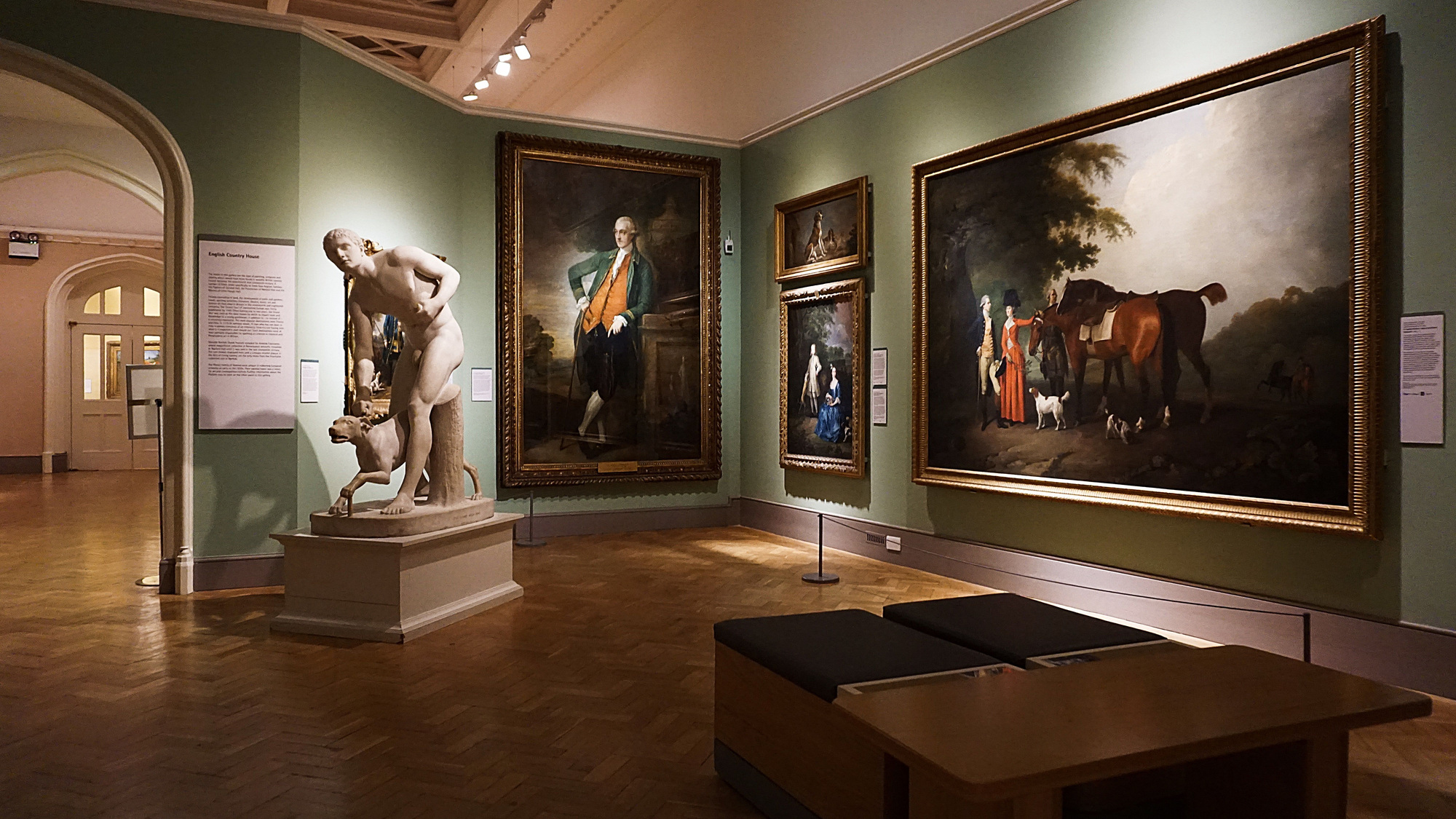
The presentation studies below show how an image’s boundary and setting affect its appearance. They are visualisations, not photographs of customer installations or proof of print quality.
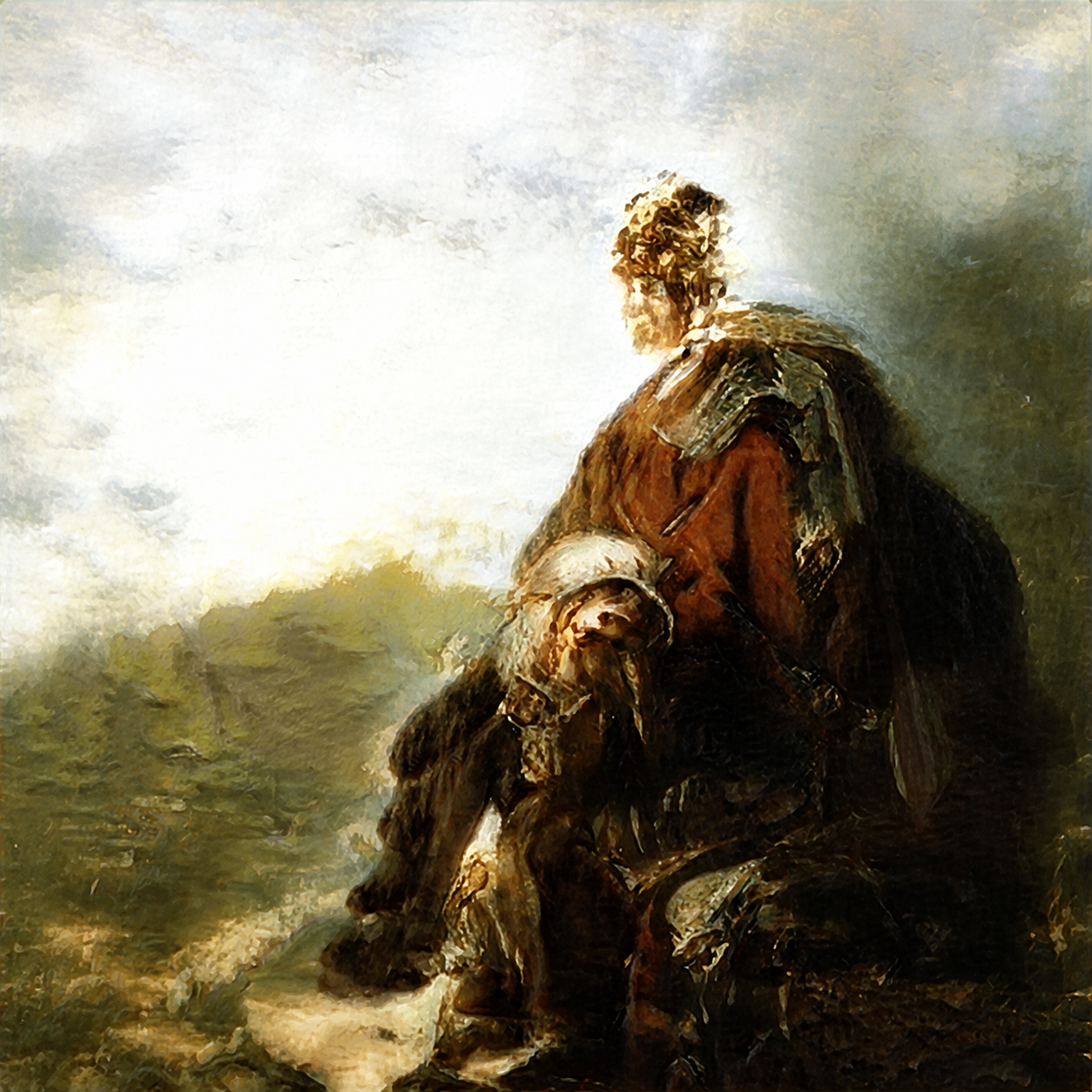
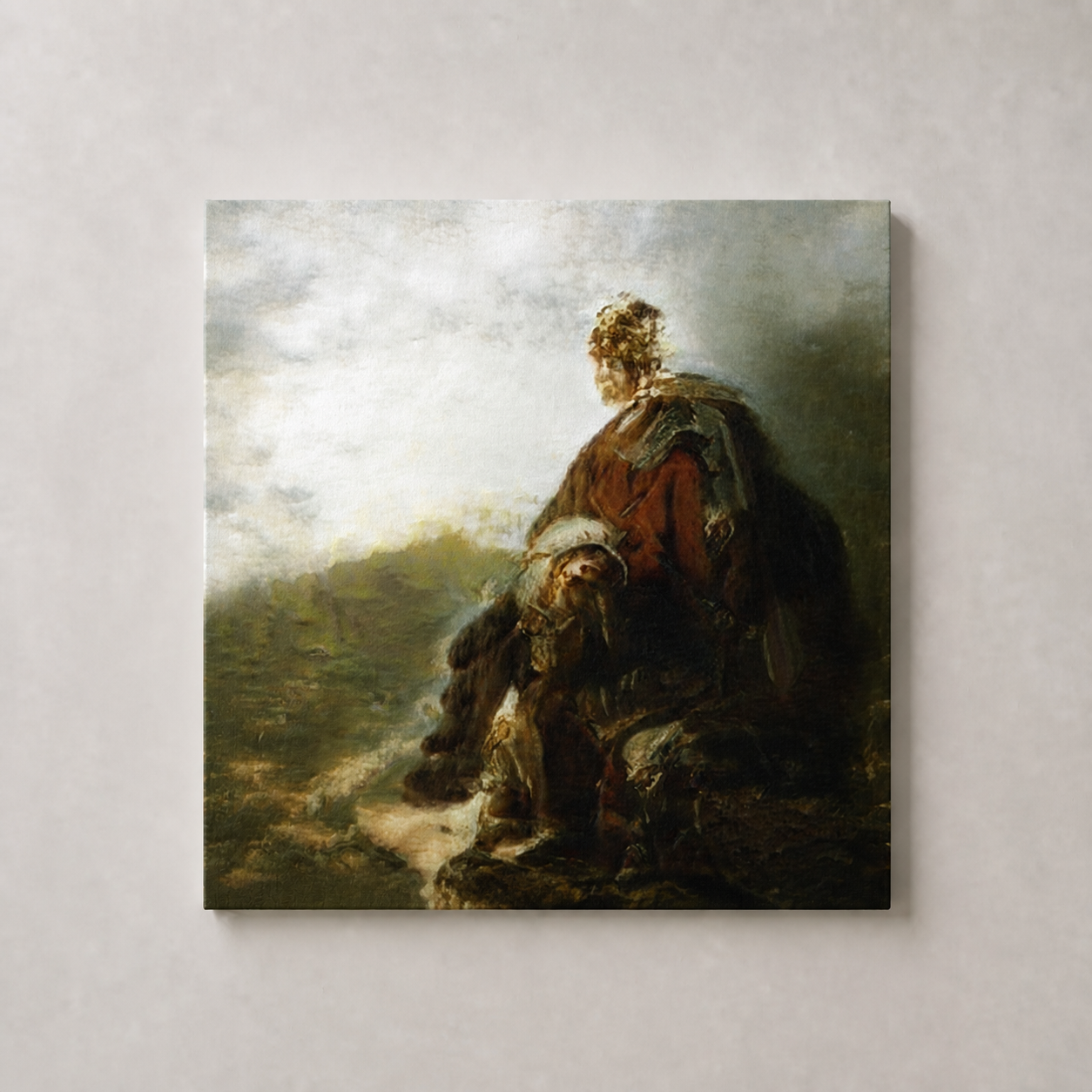
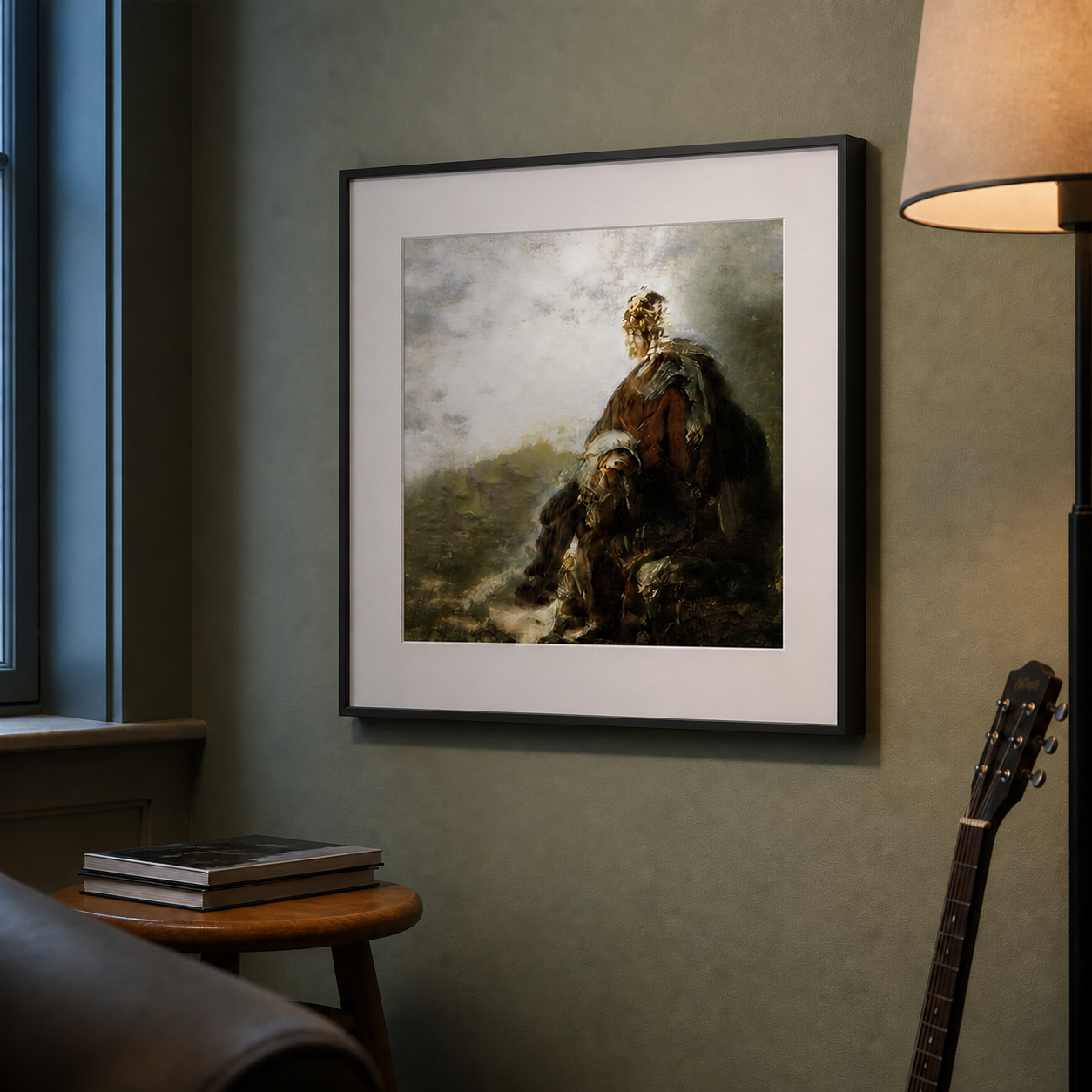
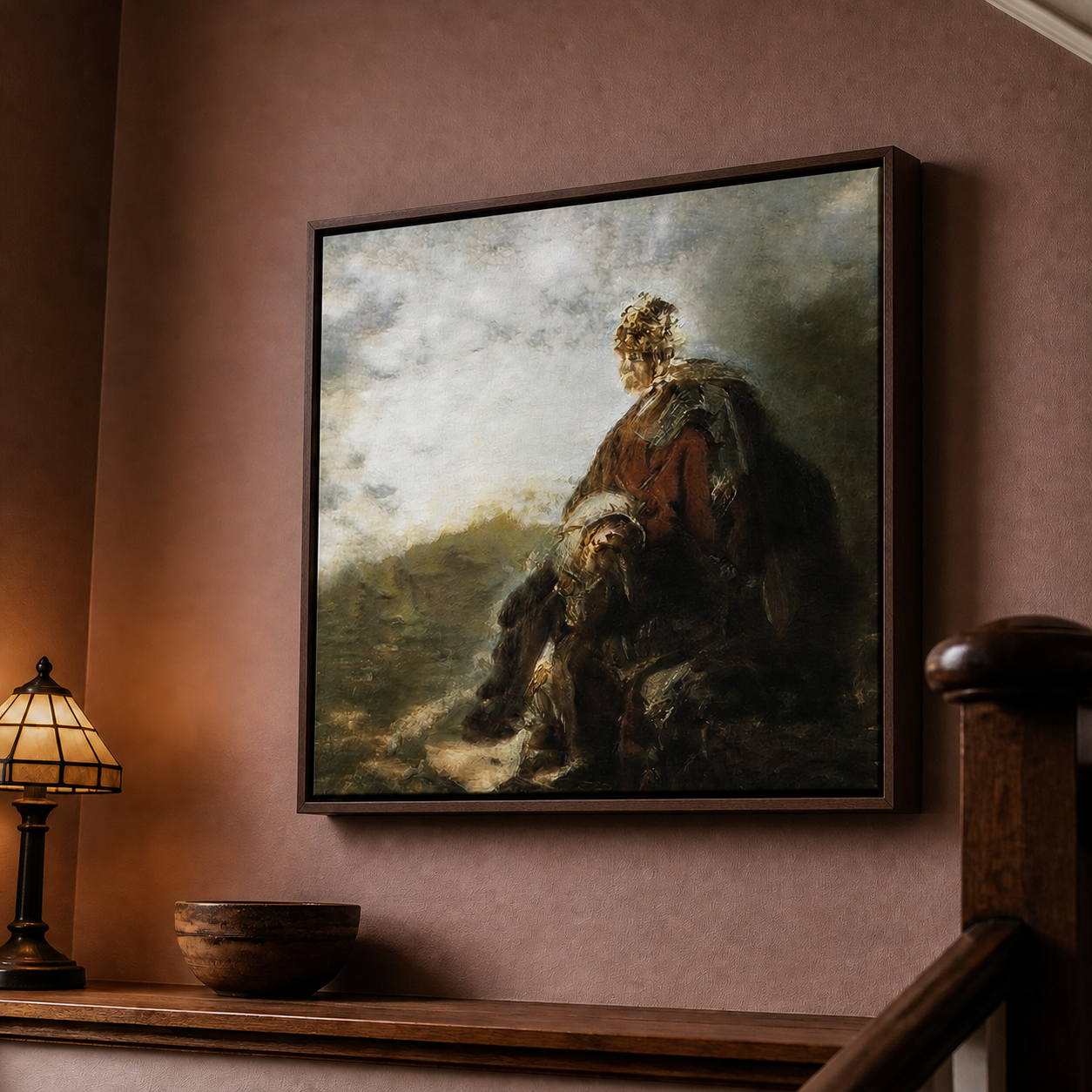
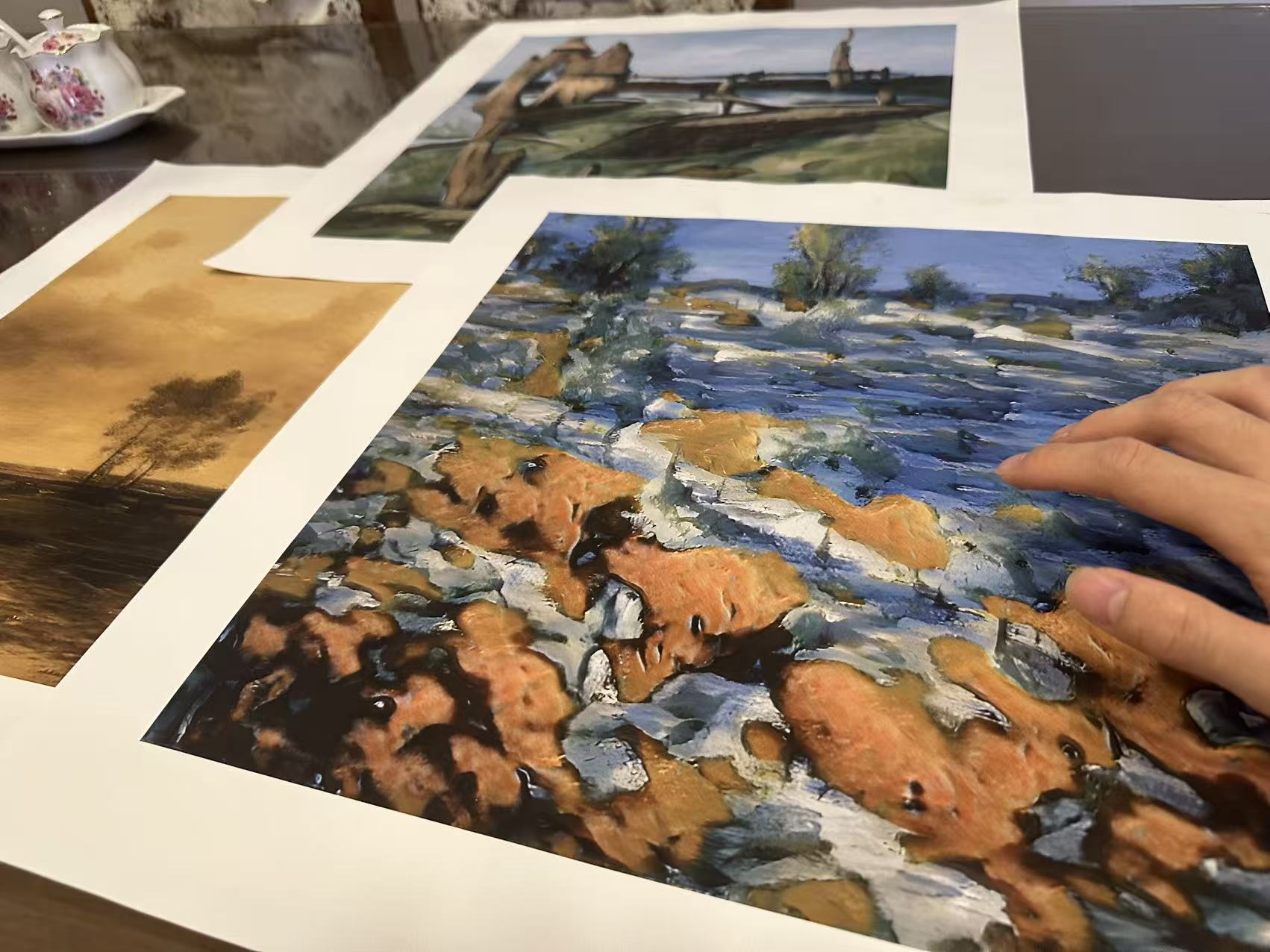
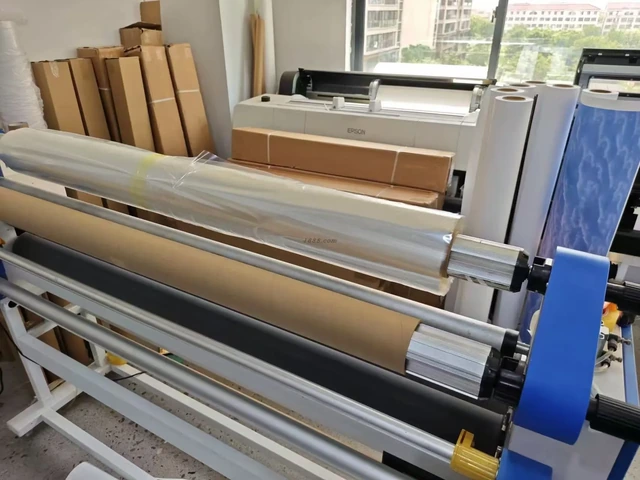
Physical proofs let us judge colour, texture, edges and detail at a real viewing distance. An image that does not hold together in print needs further work before release. The studio photograph above documents that preparation; a digital room mockup cannot perform the same check.
Our production partner in Zhejiang handles printing and framing. Our Guangzhou team checks the finished piece, prepares its certificate and packaging, and arranges international dispatch.
A release is one object, not an unlimited file
Whispart’s one-of-one policy is a release rule, not a claim that no related image, model output, or technical reproduction could ever exist. It means that once a designated final image becomes a Whispart work, the studio authorizes, releases, and sells one physical Whispart edition of that image—not a later poster, download, merchandise item, or second physical edition. The studio’s collector FAQ and terms set out that distinction in full.
Designation gives the image its title and archive identity; release commits it to one authorized physical edition. The object does not erase the model or the choices behind it. You can see current Whispart works in the collection.
Source, authorship, and responsibility stay visible
A visually compelling output does not settle where its input material came from. Whispart's current source policy prioritises public-domain, CC0, or otherwise lawfully usable material with clear rights information, reviewed by the studio. That is a working policy and a responsibility, not a claim that every larger debate about generative systems has been solved. For the broader disclosure and accountability questions, use our practical guide to AI art ethics.
We describe ourselves as a curation-led studio. We do not claim that choosing an output makes us the painter of its forms, and we do not treat the GAN as a conscious collaborator. Our responsibility lies in the source boundaries, model choices, selection, naming, physical production and release. The viewer remains free to see something we did not.
A few practical distinctions
Can the same seed produce the image again?
A seed helps reproduce a sample when the model and relevant generation settings are preserved. The seed alone is not the image’s identity, and reproducibility is separate from our commitment to release one physical edition.
Does one-of-one mean there were no test prints?
No. Proofing and flawed copies belong to studio preparation. One-of-one refers to the authorized physical edition released for the designated final image, not the claim that no technical reproduction ever existed.
Do you decide what the image must mean?
We choose a title and explain its origins, but do not prescribe one reading. A work may suggest a landscape, a figure or a memory differently to different people.