Why Do People Hate AI Art So Much? 5 Concerns Worth Separating
The loudest argument is often a bundle of quieter ones. Untangling them makes room for a more honest response than either a blanket defense or a blanket dismissal.
The question sounds simple because it arrives after the argument has already become crowded
If you searched why do people hate AI art so much, you probably did not find one clean answer. You found a room full of people pointing at different things: artists worried about work used without permission, viewers who dislike a certain polished look, people who want clearer disclosure, and people who simply do not think the process carries the kind of intention they value. Those positions can overlap, but they are not interchangeable.
That is why this article does not try to decide whether AI art is good or bad. It tries to make the objections legible. Once you know what a particular objection is asking for, you can look for the right kind of answer: a source trail, a labor practice, an explanation of human choices, a resource report, or an honest statement of taste. For the process side, our guide to how AI art is made is the useful companion piece.
The live search surface for this question is strongly discussion-led. In a live question from a Reddit user, the issue is framed through livelihoods and respect for hard-won skill; another discussion asks why backlash can remain even when a result is judged visually strong. Those are useful reader questions, not proof that any one view is universal.
Before you decide who is right, which question are you actually trying to answer?
Five concerns that should not be collapsed into one argument
A useful disagreement names its object. Here is a quick map before we go deeper.
On a narrow screen, swipe sideways to read all three columns.
| Concern | What it is really asking | What would count as a meaningful response |
|---|---|---|
| Consent and provenance | Was creative work used in ways its makers could understand or contest? | Clear sourcing, consent practices, licensing where relevant, and a precise scope for claims. |
| Creative labor | What happens when firms can replace, undercut, or devalue paid creative work? | A credible account of human roles, pay, credit, and the economic setting rather than a vague promise that technology helps everyone. |
| Authorship and disclosure | Who made the expressive decisions, and what should a viewer be told? | Plain language about tools, human direction, selection, editing, and limits of ownership claims. |
| Environmental cost | What infrastructure and resources sit behind widespread generation and use? | Scale-aware reporting and caution about simplistic per-image numbers. |
| Aesthetics and meaning | Does the work feel intentional, situated, or emotionally persuasive to this viewer? | No technical proof is needed. It is a response that deserves to be described honestly, not smuggled in as law or science. |
1. Consent and provenance: the question is not just whether an output resembles something
When someone says AI art is theft, they may be compressing several questions into one charged word. They may mean that a creator did not consent to training use. They may mean that an output appears too close to a particular work. They may mean that a model has absorbed a visual vocabulary without a workable way to credit or compensate the people whose work helped create the market for it. Those are related concerns, but they call for different evidence and different remedies.
The legal picture also resists slogans. The Copyright Office's 2025 training report examines questions raised by the use of copyrighted works in generative-AI training; it is not a magic sentence that turns every disputed use into the same case. UNESCO's creative-sector discussion, meanwhile, names consent, remuneration, transparency, and cultural diversity as policy concerns. That is a useful distinction: law, ethics, disclosure, and good practice overlap without becoming the same thing.
For a reader, the practical move is to ask a narrower question. Is there a claim of copying a particular work? Is the concern about a data source or a contract? Is the studio making a claim about how it works that can be checked? Our fuller guide to AI art ethics separates those questions without asking you to pretend that one answer settles every other concern.
2. Creative labor: fear of replacement is not the same as fear of a strange-looking picture
A person can find an image aesthetically unconvincing and still be more worried about the labor market around it. Illustrators, designers, photographers, and other creative workers are not only discussing whether a result looks good. They are asking who gets commissioned, who gets credit, who bears the cost of building a portfolio, and whether a client can swap a relationship with a worker for a system that produces more options at lower apparent cost.
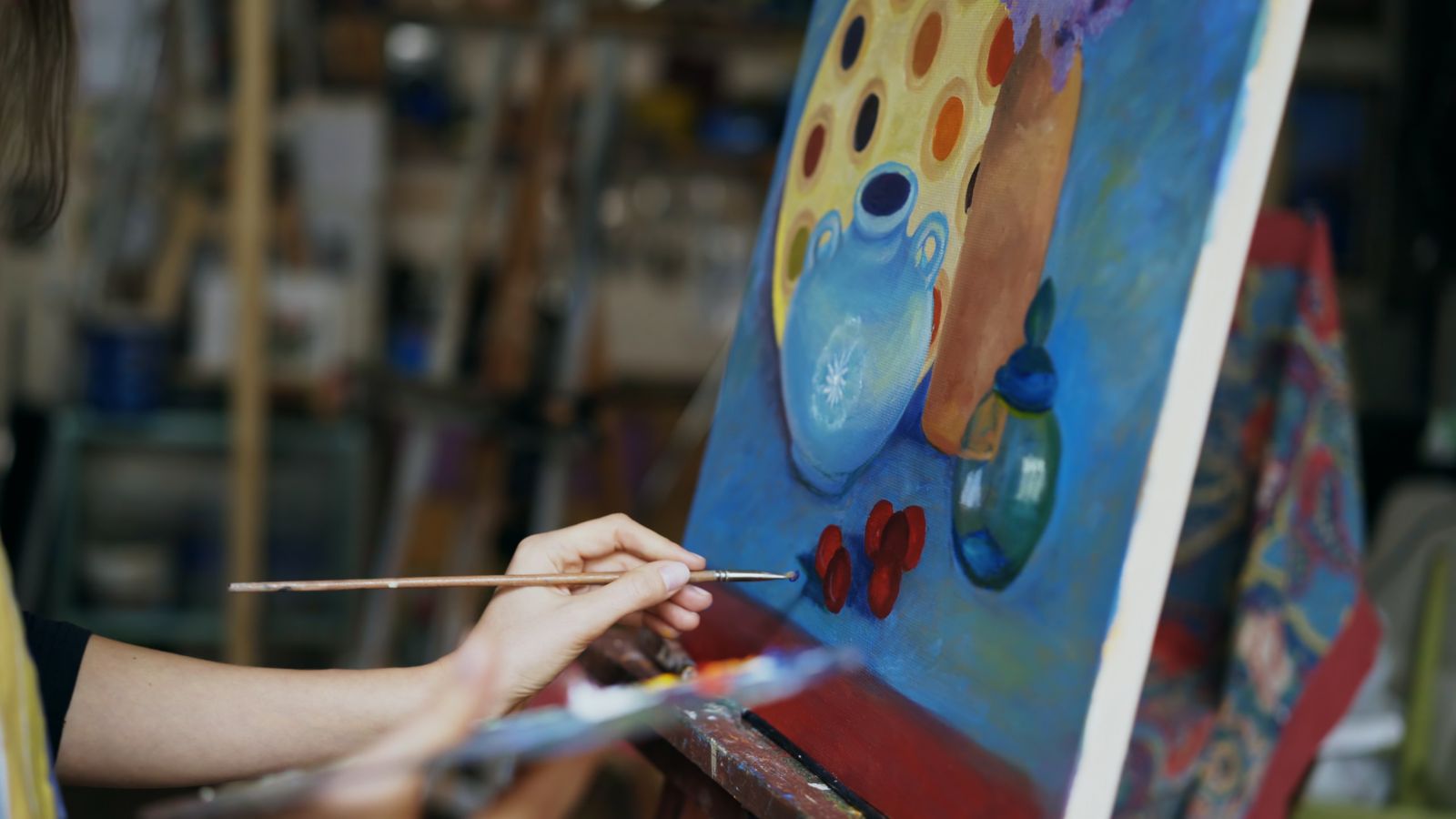
That concern is easy to caricature as anxiety about novelty. It is more concrete than that. UNESCO's work on creative sectors explicitly places artists' economic security, consent, and non-consensual commodification among the issues worth examining. A Brookings policy argument about visual art makes a different, more specific case about copyright protection. You do not need to agree with every proposed solution to see that the objection is about bargaining power and recognition, not merely taste.
A useful conversation therefore asks what remains humanly accountable in the work: selection, direction, editing, material production, client responsibility, attribution, and the decision to place an image in public. That is a better starting point than claiming that a tool either replaces nobody or replaces everybody.
3. Authorship and disclosure: viewers want to know what kind of claim they are being asked to believe
Some resistance is really a trust problem. A viewer may be open to machine-assisted work but dislike finding out after the fact that a process was hidden, inflated, or described in language designed to sound more human than it was. Disclosure is not a confession and it is not a substitute for artistic judgment. It is a way of giving the viewer the right frame for the work in front of them.
The U.S. Copyright Office's registration guidance is useful here because it discusses works containing AI-generated material and the role of human-authored contributions. Its scope is U.S. registration practice, not a universal ranking of artistic value. Still, it reinforces a sensible reader habit: distinguish a claim about a tool from a claim about the human choices that shaped a final work.
A clear disclosure can be brief. What system or process was involved? What did a person choose, revise, or reject? What is the status of the final object? What claims of ownership or provenance are actually being made? If you are trying to separate training questions, copying claims, and style imitation, our AI art theft guide treats those as different problems rather than one dramatic accusation.
4. Environmental cost: ask about scale before repeating a viral number
Environmental concern is real, but it is often discussed with numbers that travel faster than their assumptions. Training, inference, cooling, electricity mix, hardware, data-center location, and the scale of demand do not collapse neatly into one permanent cost for one image. A responsible explanation should be able to say both that computation has material consequences and that a single anecdotal figure rarely tells the whole story.

The IEA's Energy and AI report examines data-center electricity demand and the role of AI within a larger infrastructure picture. The GAO's 2025 overview similarly notes significant energy and water questions while pointing to limited reporting detail. Together, those sources support a measured conclusion: demand and transparency matter, while overly precise claims about an individual image usually need more context than a social post provides.
For a buyer or reader, this changes the question from a trap into a request for accountability. What does a provider measure? What does it disclose? What operating choices sit behind the work? An answer that says only "the tool is efficient" or only "all AI is identical" is probably skipping the part that matters.
A single dramatic number is tempting. A useful question is usually more specific.
5. Aesthetic resistance is a response, not a failed technical argument
Sometimes the objection is simply that an image feels empty, overly smooth, derivative, too abundant, or disconnected from a maker's lived intention. That response is not automatically ignorance, and it does not become a scientific claim just because it is strongly felt. Art has always included judgments about process, risk, skill, context, and what a viewer thinks is worth attending to.
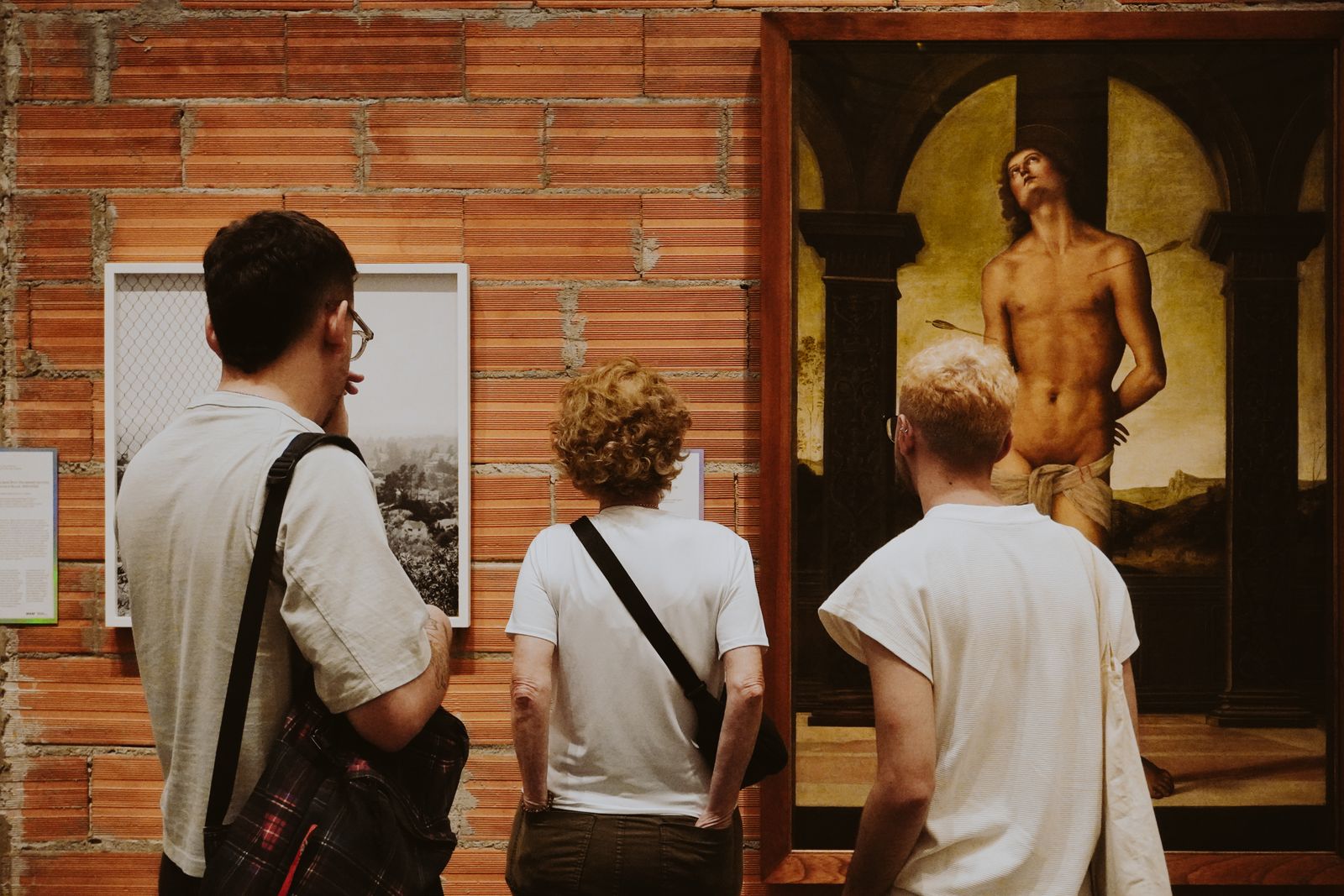
The audience language is not uniform. A CriticalTheory discussion asks whether a coherent critique can be made beyond an echo chamber, while an AIWars thread shows disagreement even among people who identify as artists or as sympathetic to the medium. That disagreement is precisely why it helps to name a response as aesthetic or philosophical instead of using it as a shortcut to settle copyright, labor, or environmental questions.
You are allowed not to like a work. You are also allowed to like one while still wanting transparent practice behind it. The useful discipline is to say which part you are responding to, then resist borrowing the authority of a different argument.
A better way to judge a particular AI-assisted artwork
Use this as a reader's checklist, not a purity test.
- Name the concern first.Are you worried about consent, compensation, copying, disclosure, environmental impact, or whether the work moves you? Do not let one concern impersonate all the others.
- Ask for the relevant evidence.A source trail helps with provenance. A clear process note helps with disclosure. A policy or contract question needs more than a visual hunch. An aesthetic judgment needs no fake citation at all.
- Look for human accountability.Who selected, edited, named, produced, and stands behind the finished work? The answer may be modest, but it should be legible.
- Match the language to the evidence.Say "I do not know" when you do not know. It keeps discussion fairer to artists, viewers, and anyone trying to act in good faith.
- Judge the object in context.If the work is being offered as art for a real room or a collection, look beyond the file: material presence, edition terms, records, scale, and how clearly the studio communicates its process all matter.
Nuance is not indecision. It is just refusing to put five different objects in one coat pocket.
You do not need a final verdict before you ask for a better standard
The healthiest version of this conversation leaves room for disagreement without hiding its consequences. A studio can say what it made and how. A buyer can ask what they are supporting. An artist can describe a concern without being told it is merely fear. A viewer can dislike an image without turning that dislike into a legal conclusion. Each of those moves makes the public conversation a little less theatrical and a little more accountable.
If you are considering a physical, machine-assisted work, the question is not whether you must approve of an entire category before you are allowed to look. It is whether the particular work gives you enough information to understand its process, its claims, and its place in your life. If that is the question you are asking, take time to look at the collection and read the accompanying context before deciding.
Questions people ask after the first argument cools down
Why do artists hate AI art?
Artists do not all hold one view. The concern may be consent for training data, market pressure, imitation, lack of disclosure, or an aesthetic belief about authorship. Asking which concern is present is more useful than treating artists as one bloc.
Is every objection to AI art a copyright objection?
No. Copyright is one important area, but people also raise questions about consent, pay, culture, environmental cost, trust, and meaning. A legal answer alone cannot settle all of those.
Can an AI-assisted work still involve human authorship?
Human contribution can be meaningful, but the right question is specific: what was selected, directed, edited, transformed, or physically produced by a person, and what is being claimed about that contribution?
What should a studio disclose?
Plain language about the role of tools, human decisions, relevant limits, and the status of the final work is a strong starting point. Clear disclosure lets a reader decide whether the practice meets their own standard.
Turn a reaction into the right question
On a narrow screen, swipe sideways to read all three columns.
| If the concern is… | Ask this next | Do not replace it with… |
|---|---|---|
| Training and consent | What is known about the system, the dataset, and its policies? | a claim that every output is automatically a copy |
| Authorship and disclosure | What human choices, edits, and claims are being presented? | a demand that viewers must like the image |
| Creative work and markets | Who gains leverage, who loses it, and what work is being displaced? | an argument about whether software can hold a brush |
| Aesthetic response | What does this image ask of a viewer, and does it deliver? | a factual accusation that needs different evidence |
Continue with the precise question: read the guide to ethical choice and disclosure, or use the separate guide to looking at AI art as art when the question is aesthetic rather than factual.