Art Print vs Poster: What Are You Actually Paying For?
A better label does not necessarily mean better paper. Learn what the name, printing process, material and edition each tell you—then compare three offers for the same image.
Read the object, not just the label
An art print is not automatically better made than a poster. Sellers use the terms differently. To judge a premium, separate four things: what the image or object is, how this copy was produced, what it is printed on, and whether an edition or signature matters to you.
If two offers provide the same image, size and wanted material specifications, the word “fine” alone is not a reason to pay more. A different paper surface, documented printing process, artist-authorized edition or signature may be a reason—when it is something you actually want.
This matters when you are ready to spend more on an image for your home but cannot tell what changes between the inexpensive poster and the expensive art print. The distinction is more useful than a ranking that assigns posters to temporary rooms and prints to grown-up ones.
A poster can also be a print
“Poster” often tells you about an object’s purpose or presentation: advertising an event, reproducing an image or carrying graphic information. It does not, by itself, identify a universal paper or ink specification.
For a historical example, look at Toulouse-Lautrec’s Divan Japonais. The lettering names the venue, while the performers and audience form the image. The Metropolitan Museum of Art classifies the object under both prints and posters and identifies it as a four-color lithograph.
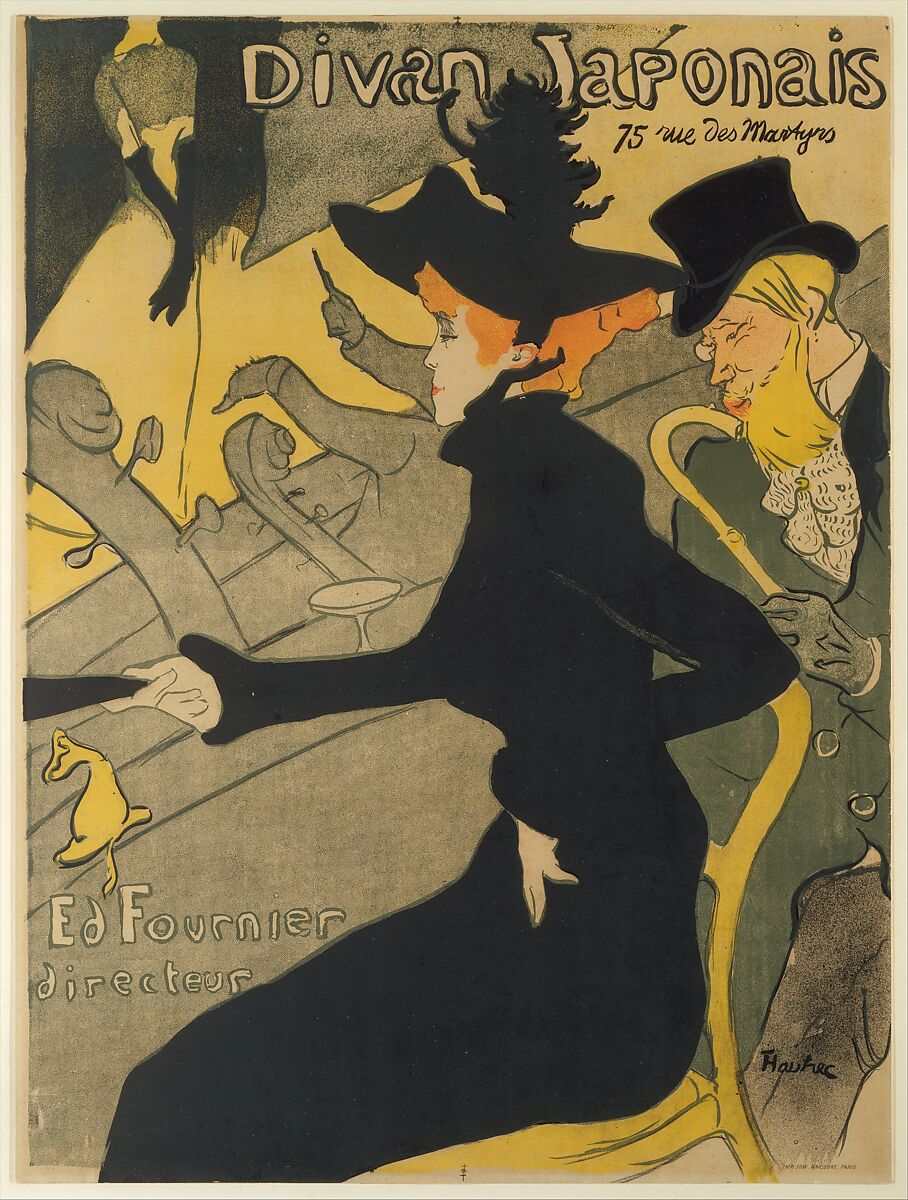
The object can be a poster and a print at the same time. That does not make a modern reproduction of it an original Toulouse-Lautrec lithograph; the particular sheet being sold still needs its own description.
The overlap also appears in current retail language. Urban Road describes its posters as giclée prints on acid-free paper. That is one retailer’s range, not a standard for all posters, but it shows why “poster means low-quality paper” is an unreliable shortcut.
“Art print” can describe different kinds of objects
A print may be a work made through printmaking, or it may be a reproduction of a painting, photograph or other image. Those are different descriptions of the object, rather than two paper grades.
Mary Cassatt’s The Letter is an artwork made using color drypoint, softground etching and aquatint, according to the National Gallery of Art. Here, printmaking is the work’s medium. It is not simply a photograph of an earlier painting printed on better paper.
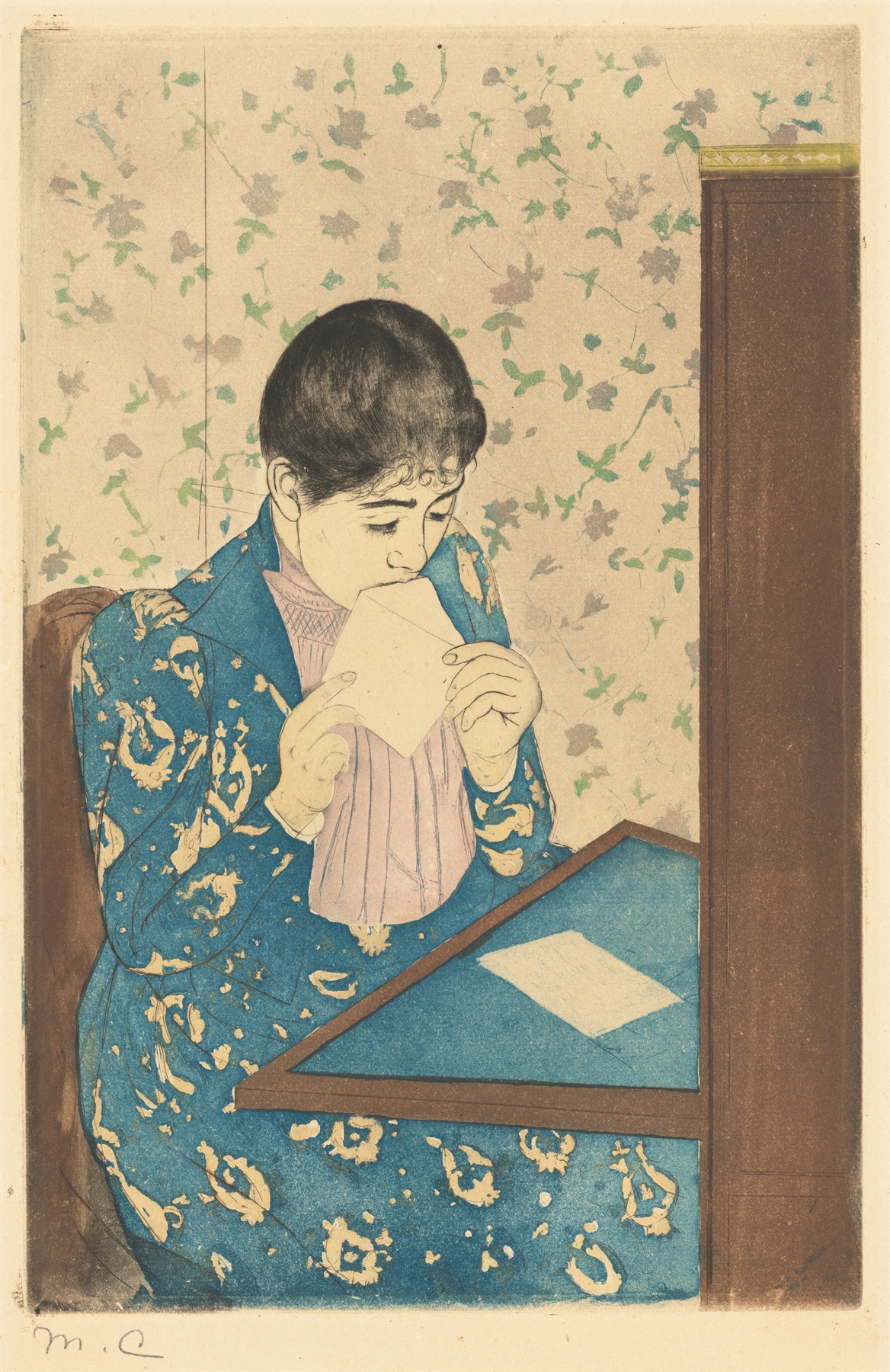
A digital reproduction of this museum image would be a different physical object. The photograph above helps identify the artwork being discussed; it cannot authenticate a sheet offered for sale.
There is another common ambiguity: the original painting’s medium does not specify the material of the print you will receive. A reproduction of an oil painting might be offered on paper or canvas. Read the delivered item’s support and process, not only the description of the original. This exact uncertainty appears in a first-time print buyer’s question about a gift.
What each part of a description can tell you
On a narrow screen, scroll sideways to read all three columns.
| Wording | Useful information | What it does not establish |
|---|---|---|
| Poster / art print / fine art print | The seller’s product category | A consistent paper, ink or quality standard across sellers |
| Lithograph, screenprint, etching; or digital reproduction | The stated production method for this item | Authenticity or quality from the name alone |
| Named paper, finish and ink system | Specific properties you can compare | That you will prefer its surface, or a guaranteed lifetime |
| Signed / numbered / limited edition | A stated relationship to the artist or edition | Paper quality, uniqueness of the image or future resale value |
| Archival | A claim that needs its material and display context | Permanent protection from light or damage |
“Giclée” commonly appears in sellers’ descriptions of inkjet reproductions, but it is not enough to compare two offers. Look for the stated ink and paper rather than assuming that the word supplies both. A specific cotton paper and a smooth coated paper may look and feel different; neither texture has to be your preference.
Similarly, “lithograph” deserves the item’s full context. The Met explains lithography as a printing process using a prepared stone or plate. Seeing the word on a listing does not establish that a contemporary copy is an original impression from an artist’s edition.
Matte finish, matboard and glazing answer different questions
If “matte” is part of the premium, ask what the word describes. A matte paper finish concerns the sheet's surface appearance. A mat or matboard is a framing component, often the border with a window cut around a paper work. Glazing is the glass or acrylic in front. A matte sheet does not specify either of those other components.
Epson's paper descriptions identify matte media with a soft, non-glare finish. That is a useful description of those named papers, not a guarantee about every matte-labeled item or its finished frame. “Matte” alone does not identify the fiber, ink, edition or exact durability of a print.
Follow the distinction through this diagram. It separates the surface you print on from the transparent layer you look through; it is not a measured assembly plan.
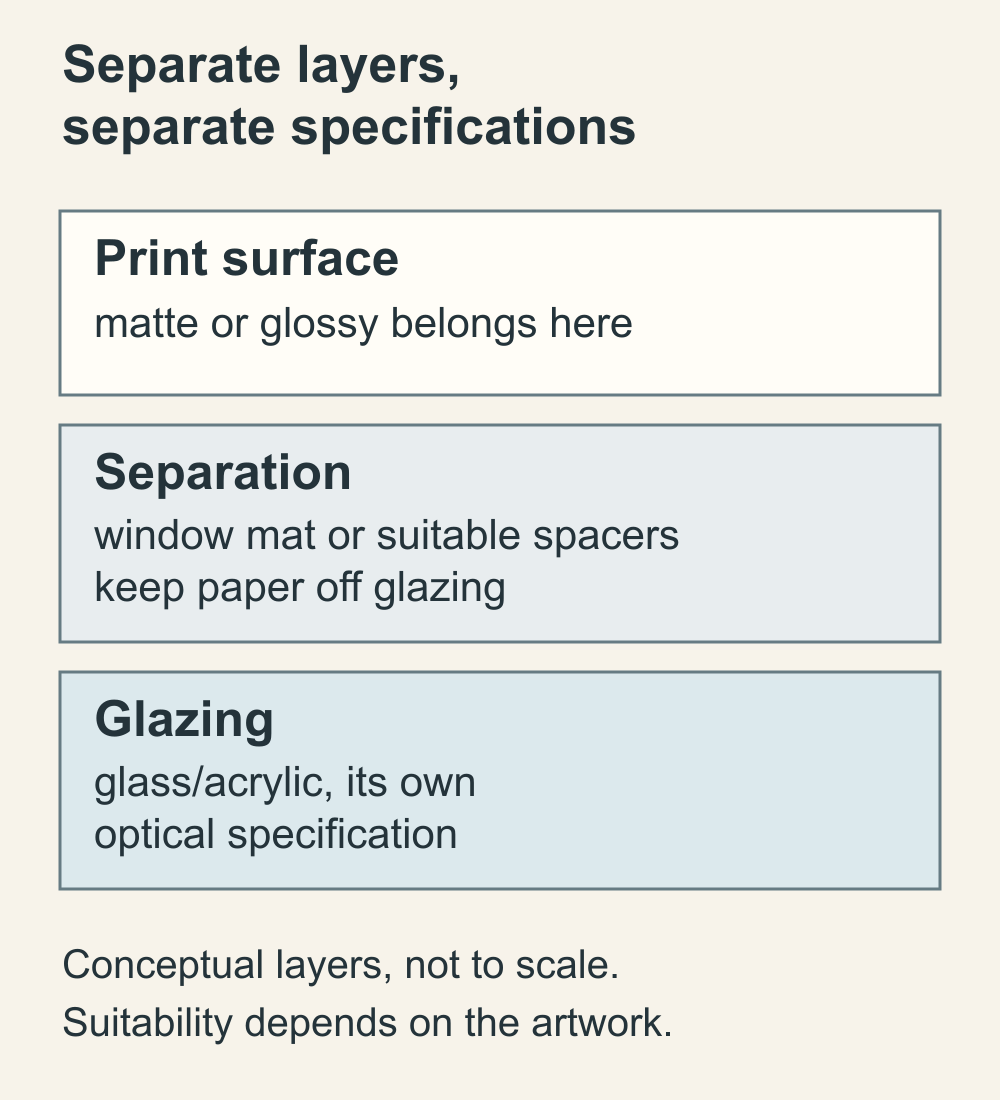
The matte sheet can still be viewed through reflective glazing. Tru Vue's Conservation Clear specifications, for example, list up to 99% UV protection and 8% reflection, while its comparison lists less than 1% reflection for Museum Glass. These are manufacturer specifications for named glass products. They demonstrate why UV filtering and reflection reduction are separate properties, rather than proving the performance of an unspecified frame.
For paper work, the Library of Congress's matting and framing guidance also calls for separation from the glazing through an appropriate overmat or spacers. A border is not merely another word for a paper finish. Our window-mat and float-mount guide covers that separate presentation decision.
Before paying extra for “matte,” ask: which paper and ink are supplied, and—if the offer is framed—which glazing is included? If reflection is important, ask for the named glazing specification and evidence of the finished item under relevant lighting. A bare-sheet photograph cannot settle the framed result.
A completed choice: three offers for the same image
Imagine these three fictional offers. All reproduce the same image you like, at the same sheet size, unframed and with authorized reproduction rights. For this comparison, delivery and other purchase terms are equal. The prices are invented to isolate the decision, not market averages.
On a narrow screen, scroll sideways to read all three columns.
| Offer | What is stated | What remains unknown |
|---|---|---|
| A · $30 poster | Acid-free paper, smooth matte finish, open edition | Paper identity and ink system |
| B · $95 art print | Named cotton paper, pigment inks, matte textured surface, open edition | How much you will like the texture in person |
| C · $180 limited fine art print | Signed and numbered; described as premium | Paper, ink and whether its physical print differs from the other offers |
The buyer wants to keep this reproduction, prefers a matte cotton surface, can comfortably spend $95 and is not buying for resale. Choose B for this buyer. Its specified material and surface answer an actual preference. The additional $65 buys a described difference over A; it does not buy a promise that the picture will remain unchanged forever.
Hold the $180 decision until C’s physical specifications and edition terms are clear. A signature or numbered ownership could be worth paying for if a connection with that artist matters to you. It is a separate reason, rather than evidence that C has better paper.
Now change one fact: A’s seller confirms the same ink, paper and finish as B, with the same wanted image and size. Choose A if those are the properties you value. Its poster label no longer supplies a material disadvantage. If you actually prefer a smooth surface over textured cotton, A may also be the better fit before spending extra.
That is the useful question to take from a price comparison: what identifiable difference do I want from this particular offer?
A separate choice for the finished frame
Keep the three offers above unframed. Now imagine a separate framing comparison for the chosen sheet: two packages have the same wanted frame and suitable separation, but one specifies UV-filtering glazing only; the other names glazing with both UV filtering and reflection reduction. No price or physical reflection test is implied here.
If reducing a distracting reflection is the priority, we would hold the glazing choice until the second package's stated performance and the total cost are clear, because the matte paper label cannot answer that finished-frame question. If the evidence satisfies the viewing requirement and budget, we would choose the specified reflection-reducing package. If reflection is unimportant in the intended viewing conditions and the first package meets the other needs, we would keep it on the shortlist: the extra feature is not automatically worth paying for. Neither package removes the paper work's need for appropriate light exposure.
Keep edition and preservation claims separate
A limited edition concerns the stated edition, not necessarily every possible future version of an image. If scarcity is part of the appeal, find out what is limited: this size, paper, colorway or all editions of that image. An open edition can still be the version you want to live with. There is no need to purchase a number merely to make a favorite image feel legitimate.
Preservation is a different question. The Library of Congress’s paper FAQs discuss ink and paper together, and explain that UV-filtering glazing does not remove the risk from all visible light. Its light guidance describes damage as cumulative and irreversible. Avoid direct sun on a paper work you want to preserve, and do not treat acid-free paper as a guarantee for the whole printed object.
For broader questions about seller evidence, total cost and purchasing an original or edition, our guide to original art under $1,000 covers the buying process. Here the completed decision is narrower: choose the image and specified physical version you want, then pay extra only for a difference you can name.
FAQ
Are art prints always better quality than posters?
No. Those labels vary between sellers. Compare the particular paper or canvas, finish, printing description and image reproduction. A seller may offer a well-specified poster and another may leave a fine art print’s materials vague.
If the original is an oil painting, will the print arrive on canvas?
Only if the item being sold specifies canvas. The original artwork’s medium and the reproduction’s support are separate facts. A paper reproduction of an oil painting is still a paper object.
Does giclée mean an original artwork?
The term is commonly used for inkjet prints, including reproductions. It does not by itself identify an original printmaking edition or a one-of-a-kind work. Read how the particular image and delivered object were made.
Is a signed limited edition worth more to me?
It can be, if the artist connection or that stated edition is part of what you want. Clarify the edition’s scope and whether the signature is applied by the artist or reproduced. Those features do not independently prove better materials or future resale value.
Does thicker paper mean a better print?
Paper weight describes one physical property. A heavier sheet is not automatically a sharper reproduction, a surface you prefer or a more stable ink-and-paper combination. Compare the finish, paper identity and printing description rather than weight alone.
Can I keep an inexpensive poster for a long time?
It is reasonable to keep an image you love, whatever its price. Its condition will depend on the actual materials and exposure. Protect paper works from direct sun and use appropriate framing; the price or poster label cannot supply an exact lifespan.
Does matte finish mean archival or premium paper?
No. It describes a surface appearance without supplying the paper identity, ink or complete preservation context. Ask for the specific materials and printing description before treating the word as a reason to pay more.
Will a matte print look reflection-free when framed?
The print surface and the glazing are separate. Matte paper may still sit behind reflective glass or acrylic. UV filtering also does not establish reflection reduction; check the included glazing's named specifications.
Sources and image notes
The linked Met and National Gallery of Art object records identify the two historical works and their media. Their images are supplied under the museums’ public-domain/open-access policies: Met Open Access and National Gallery of Art terms. They are examples of terminology and medium, not evidence about a modern seller’s copy.
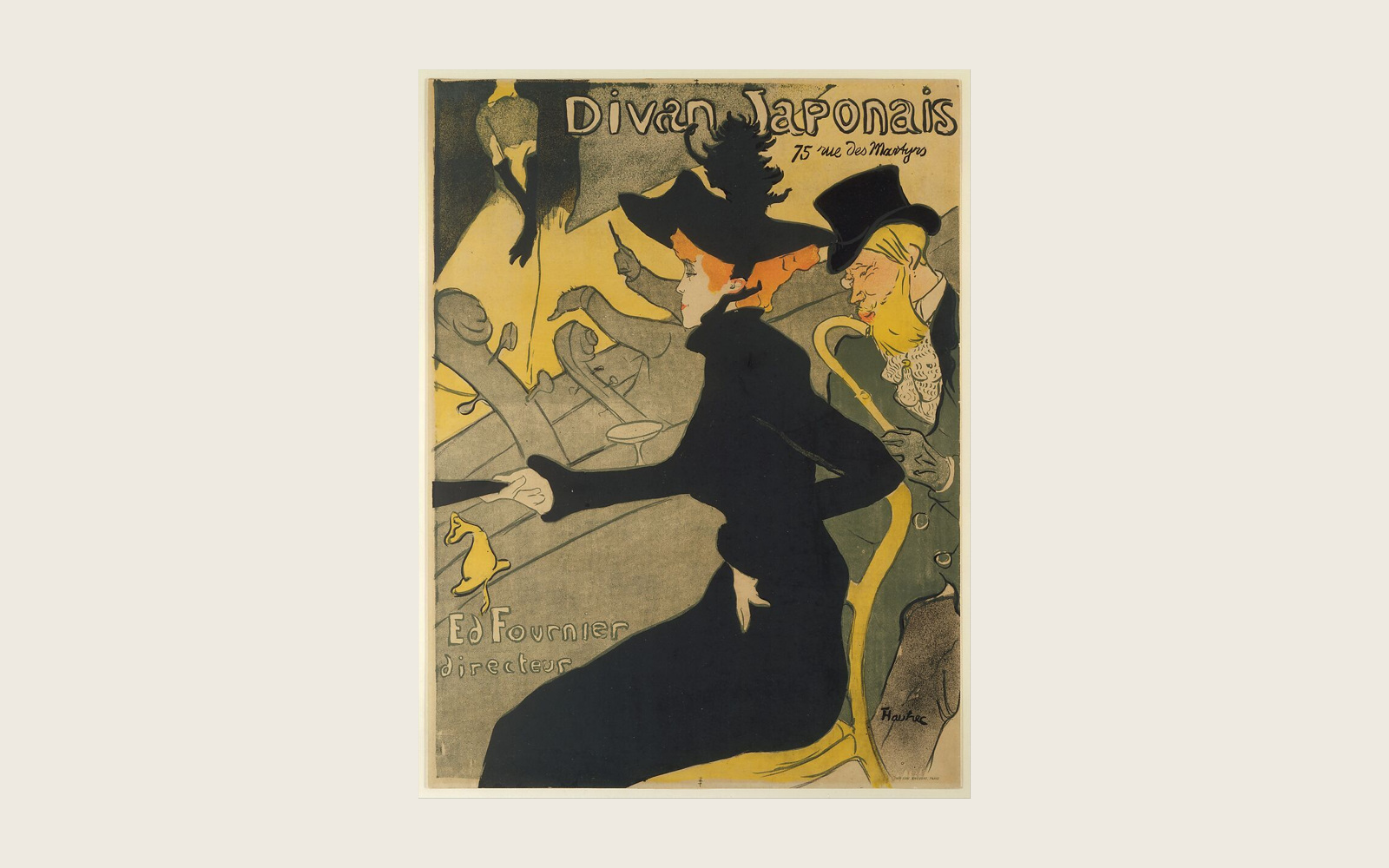
Urban Road supplies a named retail example; Library of Congress guidance supports the bounded preservation advice. Community questions informed the explanations but are not technical standards. The three offers and prices are hypothetical. The layer diagram is an original conceptual illustration, not a product photograph or a physical test. Epson and Tru Vue supply the named finish and glazing examples; Library of Congress supplies the separation guidance. The finished-frame comparison is also hypothetical. Cover: Henri de Toulouse-Lautrec, Divan Japonais, 1892–93. Public domain / CC0. Complete museum poster fitted within a neutral matte.