Matting for Artwork on Paper: Window Mat or Float Mount?
Before choosing the mat color, decide what the finished frame must show: the image, a signature in the margin, or the complete paper sheet. Those requests can lead to different assemblies.
The mat opening and the mounting method are separate choices
A window mat is the board with a cut opening in front of the artwork. In an overmatted presentation, that opening is smaller than the sheet, so the mat covers part of its perimeter. This can conceal a blank edge, but it can also conceal a mark you want to see.
Floating concerns how the sheet is supported and presented with its perimeter exposed. “Float” does not mean unsupported paper. Nor does it necessarily mean a narrow frame with no mat. Compare the paper boundaries in this schematic; the fictional artwork and sheet are the same in both views.
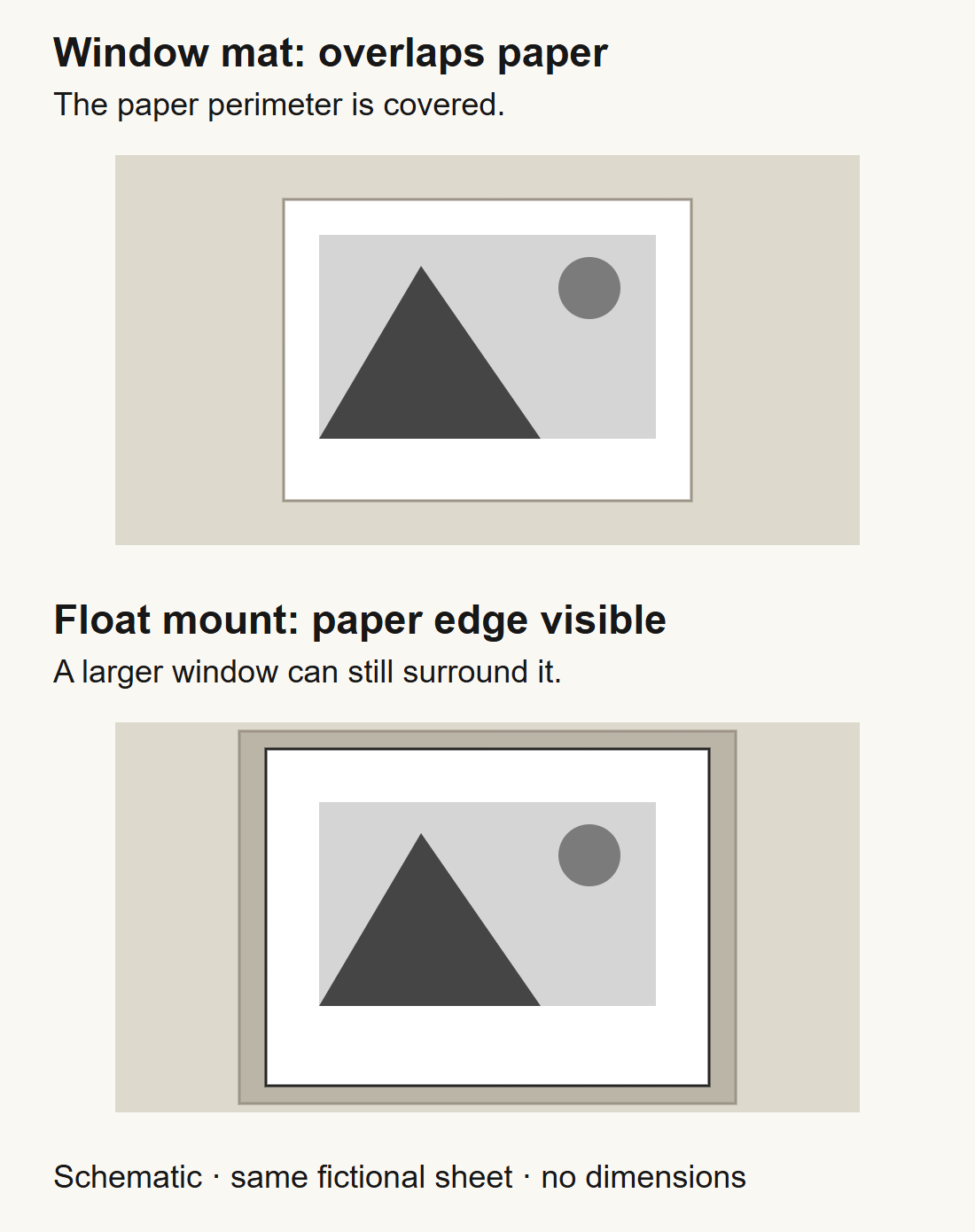
The upper window overlaps the sheet. The lower, larger window surrounds it without covering its perimeter. Neither drawing specifies suitable attachments, glazing clearance or frame depth. Those belong to the actual assembly.
I would settle this visibility question before discussing mat color. A beautifully matched board cannot fix an opening that hides the feature you bought the work to enjoy.
A real example: a floated sheet inside a window mat
The Library of Congress Conservation Division’s matting variations show a floated engraving with the mat closed. Look for the paper edge inside the surrounding opening. The wider board remains part of the presentation.
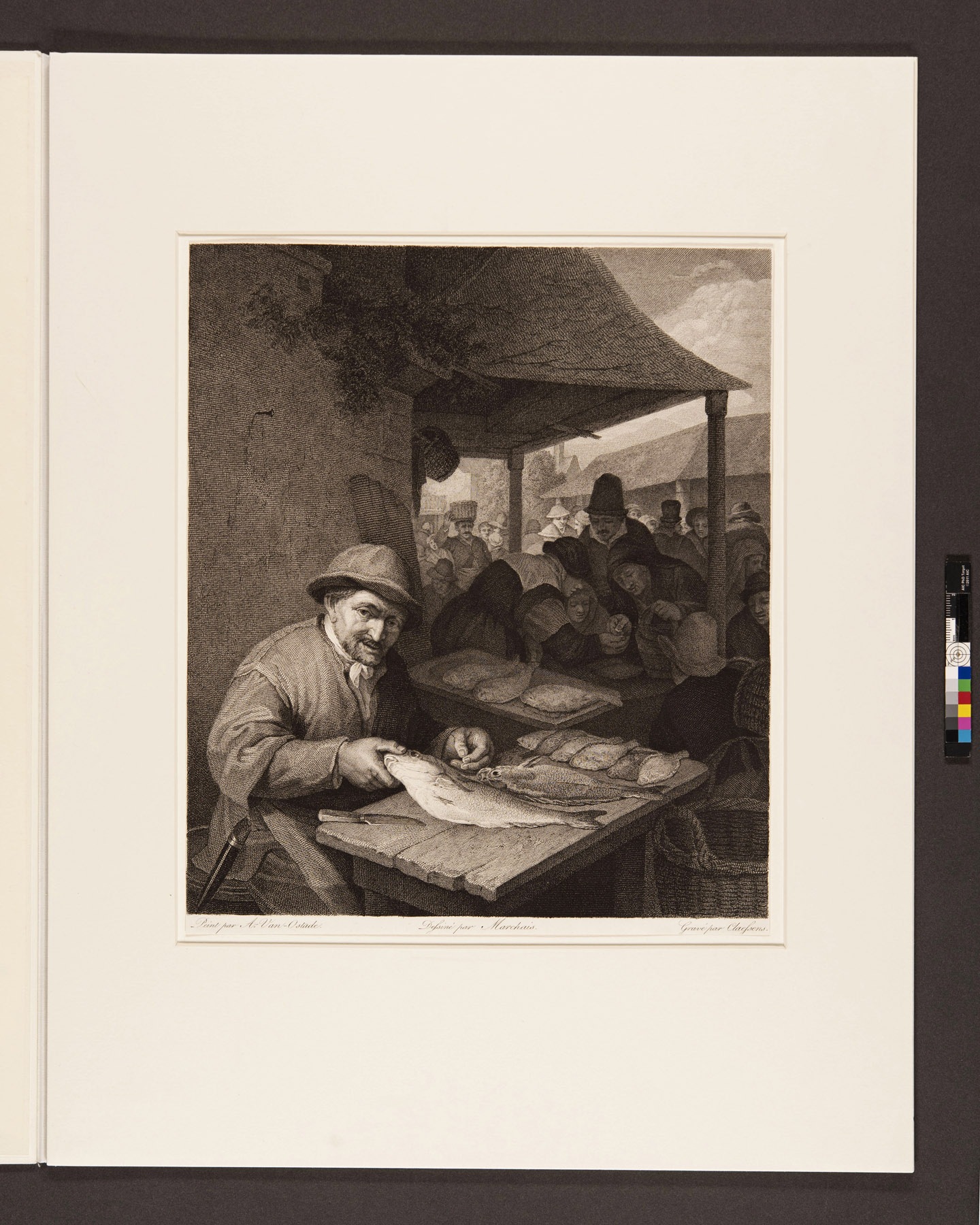
This photograph resolves a common either/or assumption. You can want the complete sheet visible and still prefer a substantial mat around it. The larger opening provides visual space around the paper rather than hiding its perimeter.
The Library’s matting and framing guidance also says overmatting provides more physical protection than floating. That is a reason to consider the handling and condition of the work, rather than treating an exposed edge as an automatic upgrade. This documentation example does not make its mounting method appropriate for every drawing, photograph or print.
A signature does not always require floating
A public framing discussion about retaining a signature raises the possibility of enlarging the window opening. Another discussion places the signature very close to the sheet’s edge. These are individual situations; the position of the mark changes the decision.
When a signature sits comfortably within a generous margin, a custom opening may show both image and signature while leaving enough perimeter for an appropriate overmat. When the signature reaches the edge—or the edge itself matters—the same solution may no longer meet the request.
In the Library example, the printed credit and actual sheet boundary are both exposed. The close view makes that relationship easier to see.
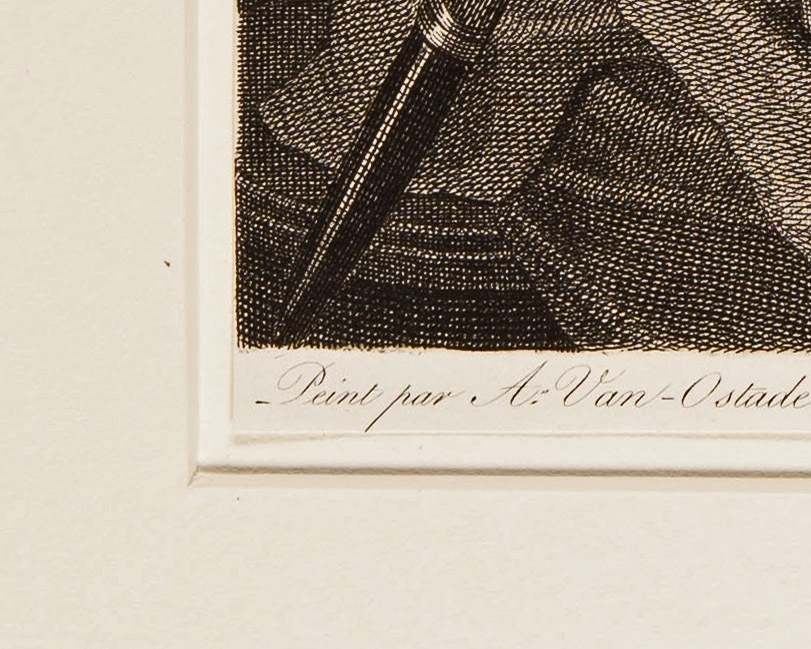
The useful instruction is therefore precise: “retain this signature” or “show the entire sheet, including every edge.” Those are different promises. Send a full-sheet photograph identifying the important marks, rather than asking for a float mount merely because the artwork is signed.
A completed choice for a whole-sheet request
Imagine a paper print whose irregular perimeter is part of what you want to display. You like the space of a broad mat, want every edge visible, and want one finished frame rather than a mat-only purchase. This is a hypothetical ordering example, not a customer project.
We would request a float presentation inside a larger window mat. A conventional overlapping opening fails the full-perimeter requirement. A matless float could show the sheet, but would omit the broad surrounding board requested here. The larger-window float meets both visual requirements, subject to the framer confirming a suitable assembly for that actual work.
My filled request would read: “Please quote one assembled frame for this paper print, showing the complete sheet and irregular perimeter inside a surrounding window mat. Include the proposed support and attachment method, mat and backing specifications, glazing and separation from the artwork, sufficient frame depth, finished outside dimensions, and the total including assembly, delivery and any applicable tax. Please confirm that the plan suits the actual paper and medium before I approve it.”
The choice changes if only a signature in a generous margin must remain visible. I would then prefer an appropriately enlarged overmat opening, if the framer can retain the mark and suitable edge overlap. It meets the narrower request without exposing the whole perimeter.
Approve the complete assembly, not just the mat
The Library of Congress matting and framing guidance treats matting as part of support, protection and separation from glazing. An “acid-free” label on one board does not establish the suitability of the backing, attachments and rest of the frame package.
For the hypothetical whole-sheet order above, the visual choice is settled. Approval remains on hold if the framer has not confirmed appropriate support and separation. Curling, fragile edges, a friable surface or translucent paper can change the plan; do not assume the attachment used in one photograph transfers to another object.
I would compare the written total for the assembled result with my available framing budget. If it exceeds that budget, ask for a revised complete proposal and check whether it still preserves the required view. A cheaper mat-only listing is not a completed alternative to a finished frame.
For the separate question of sheet size, window opening and outer mat dimensions, see our 11×14 print framing guide. Keep the sizes distinct; today’s choice concerns which paper boundaries remain visible.
Questions about matting artwork
Can a float-mounted print have a window mat?
Yes. A larger window mat can surround the floated sheet without overlapping its edges, as in the Library of Congress example. Specify the full-sheet view rather than assuming “float” means no mat.
Does a signed print always need a float mount?
No. A signature within a generous margin may fit inside an enlarged overmat opening. A signature at the perimeter, or a requirement to show every edge, may call for a different presentation. Check the actual mark position and suitable assembly.
Is a float frame the same thing for paper and canvas?
Do not assume it is. A floating canvas frame describes a different object and construction. Tell the supplier the work is on paper and specify whether you want its full perimeter visible.
Does an acid-free mat make the whole frame conservation appropriate?
No. The actual medium, paper condition, support, attachments, backing and glazing separation also matter. Obtain a suitable complete specification; this article does not give DIY hinging or treatment instructions.