Commercial Artwork: Which Buying Route Fits a Small Hotel?
You can buy directly from an artist, work through a catalog or trade supplier, or appoint an art consultant. The useful distinction is not which route sounds more sophisticated. It is which one can deliver the work—and the coordination—your brief actually needs.
For a small hotel buying commercial artwork, start with three questions: do you need individually chosen works or a repeatable batch; are you buying available pieces or asking for something new; and who will coordinate the suppliers and site requirements? Those answers help identify whom to approach before you compare images.
Here, “commercial artwork” means physical art being considered for a business interior. It is not a material specification, a durability rating or proof that an item is suitable for a particular installation. This is a buyer’s guide to sourcing routes, not a supplier directory or a complete hotel-design service.
A small lifestyle hotel provides a useful setting for this decision. CBRE’s lifestyle-hotel report connects the category with cultural experience, distinctive design and community-focused spaces. That is context for considering art; it does not show that a particular painting will increase bookings or that every guest wants the same aesthetic.
If the hotel’s art direction is still “something impressive,” settle the public-space art concept first. The sourcing comparison below assumes you already know what you are trying to buy.
Three sourcing routes—and what stays on your desk
These routes overlap in practice. A gallery may organize commissions; a consultant may source from a catalog; an artist may offer editions. Ask what the named provider includes instead of assuming the business label answers that question.
On a small screen, swipe the comparison sideways. The route-by-route examples follow below.
| Route | A reason to start here | What to confirm |
|---|---|---|
| Artist-led sourcing Directly, or through the artist’s representing gallery | You want a particular maker’s work or a small, individually selected group. Your team can coordinate the purchase. | Available work versus a commission; who handles framing and delivery; the actual scope, timing and revision process. Do not assume repeat copies are offered. |
| Catalog or trade supply | You want to compare listed formats or request a coordinated batch with known quantities. | Stock or production capacity, consistent specifications, batch timing, commercial terms and a written replacement/substitution plan. A listing does not establish any of these by itself. |
| Consultant-led sourcing | The brief spans several artists or suppliers, or nobody on your team can manage selection and coordination. | The appointment: research, proposals, purchases, framing, logistics, installation coordination and fees. Ask which tasks remain with the hotel or its project team. |
Artist-led does not have to mean commissioned
You may find an existing work that already suits the brief. A commission is an order type within a sourcing route, not a separate guarantee of quality or fit. Commission only when creating something new answers a real requirement and the maker accepts the brief, process and schedule.
For a concrete example of offered services, Amadora Art’s commercial page describes original commissions, artwork rentals for home staging and commercial rates for multiple orders. Those are that provider’s stated services. Its rental offer should not be assumed to cover a long-term hotel installation, and an enquiry is still needed for actual terms.
A catalog is a starting selection, not a confirmed supply plan
Urban Road’s office-art collection and Craftiva’s commercial wall-art collection illustrate very different catalog offers: office imagery on one page and sculptural wall objects on the other. “Commercial” does not describe one uniform kind of product. Compare the specified items, not just their category labels.
A consultant should remove a defined coordination burden
Art + Artisans’ office-project account describes packages developed around different settings, including mosaics at Symphony Square and commissioned work at The Link. It shows that practice’s approach to coordinated sourcing. It is not evidence of services WhispArt has delivered or independent proof of business performance.
When considering a consultant, ask for a relevant completed example and a clear division of responsibilities. A small art purchase may not need a broad advisory appointment. A complicated package can need help even when none of its individual works is expensive.
A worked choice: one lounge wall, with someone to coordinate
Consider a fictional small lifestyle hotel. Its lounge functions well, the art direction has been agreed, and the owner wants one individually chosen work with a connection they can explain honestly. There is no requirement for identical copies in the rooms. An appointed project lead can coordinate the supplier, site review and delivery.
Start with artist-led sourcing of available work. Ask artists or their galleries for existing candidates and the actual purchase terms. This gives the owner a direct way to compare specific work and its maker without commissioning a new piece merely because the buyer is a hotel.
The catalog route remains a valid alternative, especially if a listed work fits. It is not the first route in this example because repeatable supply is not the problem being solved. A consultant-led appointment is also possible, but the owner already has a project lead for this bounded purchase; a wider service would need to remove some additional, named burden.
The tradeoff is responsibility. A direct conversation with the maker does not make framing, transport, installation or care disappear. The project lead still has to establish what is included and obtain the relevant item and site information. If no available work fits, discuss a commission only after its stages and timing are confirmed; otherwise broaden the shortlist or postpone the purchase.
A genuine local connection may matter to this hotel’s story. Verify the artist’s identity and the particular connection you intend to describe. A picture of the neighborhood does not, by itself, establish local authorship.
Change the requirement to 24 matching rooms, and the answer changes
Now change the fictional brief: the hotel needs 24 identical framed works, with delivery by an agreed date and a plan for damaged or missing items. The work is no longer just one visual choice. Quantity, consistency and replacement arrangements constrain the route.
Start by requesting a documented batch offer from a catalog or trade supplier. Confirm the exact item, quantity, production or stock status, frame and finish, delivery schedule, and what happens if a later replacement is needed. Do not assume the same image will remain available indefinitely.
An artist who actually offers suitable editions and can confirm those requirements may also meet the brief. The route label is less important than the answer. One existing original, however appealing, does not satisfy a request for 24 identical objects; do not assume permission or capability to reproduce it.
If the owner cannot coordinate a multi-supplier package, move the coordination question to a consultant or the appointed design team and define the service in writing. Conversely, if every room is intentionally meant to have a different original and the schedule allows it, artist-led sourcing may still be the right route. The changed requirement—not a belief that one type of art is more “hotel-like”—changes the recommendation.
Make the first enquiry answerable
For the lounge example, a useful opening enquiry would read:
We are selecting one artwork for an existing hotel lounge. We have an agreed creative direction and a project lead who will coordinate site information and installation review. Please show available work that could suit the attached brief, and distinguish any proposed commission from work already made. Tell us your framing and delivery scope, the information you need from us, and your actual timing and terms. We do not need repeat copies.
This is a hypothetical enquiry, not a message sent to a supplier. Attach the real creative references, agreed spending range and known site information when using it. If a connection to a particular place or community matters, state that too and ask how the proposed work supports it.
Once the route is selected, the next job is to make proposals comparable. Use the hotel art-refresh brief for item identifiers, measurements, included services and complete quote scope. Those details belong in the specification work; repeating a mood description will not resolve them.
The decision here is whom to approach and what to ask—not approval to order. The project team must still assess the exact item, care needs, intended location and applicable installation requirements. Do not infer those from a supplier’s “commercial” category, and do not assume a decorative artwork provides acoustic or fire performance.
For the one-wall example, the next action is an artist-led available-work enquiry. For the 24-room example, it is a confirmed batch-supply request. If neither route can meet the agreed requirements, revise the requirement or schedule with the responsible team before committing.
Sources and scope
- CBRE: Gen Z Checks In—The Rise of the Lifestyle Hotel — category context, not evidence of artwork-driven revenue.
- Amadora Art: Commercial Artwork — that artist business’s stated services.
- Urban Road: Office Wall Art and Craftiva: Commercial Wall Art — examples of catalog formats, not confirmed stock or suitability.
- Art + Artisans: Commercial Office Spaces — supplier-authored accounts of named projects.
The sourcing comparison is WhispArt’s editorial synthesis of these sources. The hotel, quantities and enquiries are hypothetical decision examples, not client work or observed guest research. Named suppliers illustrate routes; inclusion is not an endorsement or a statement of an affiliation. Their current project terms require confirmation.
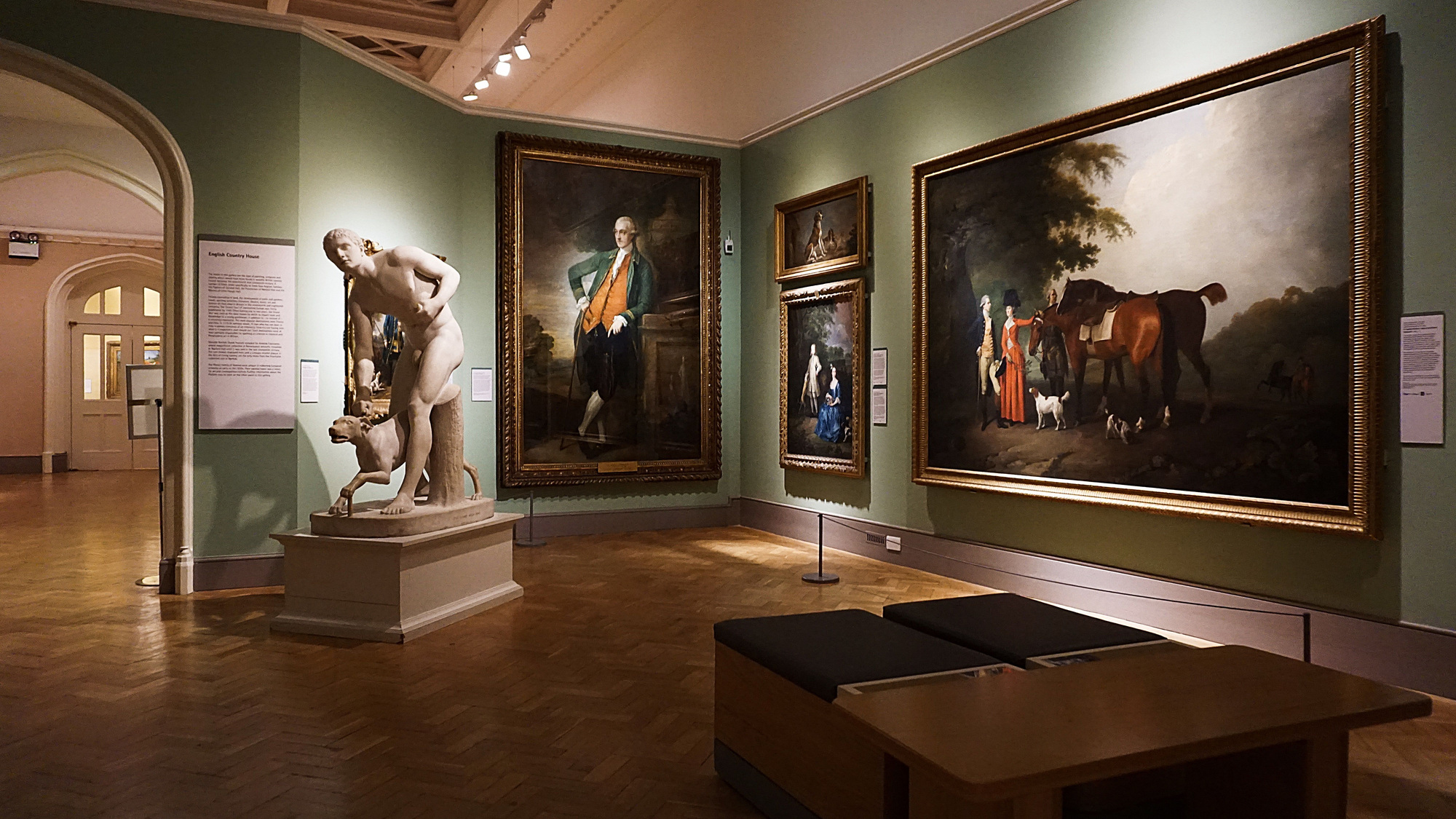
The cover places WhispArt’s Hills Remember artwork in an AI-styled lounge. The room and frame are illustrative—not a completed hotel installation, a scale reference or a specification of the frame supplied with the work. This article does not state that WhispArt provides hotel commissions, trade supply, consultancy or installation services.