What Is a Digital Print? The Image, the Process, and What You Receive
You find an image you want to live with, then the listing calls it a “digital print.” That phrase alone does not tell you whether a parcel will arrive or a file will appear in your downloads.
Digital describes the printing input, not the absence of an object
Xerox’s process guide describes digital files being printed onto substrates including paper, canvas and fabric without making a printing plate. HP’s explanation distinguishes inkjet, which deposits ink droplets, from laser printing, which uses toner.
The result is still a material thing. You can hold a printed sheet, frame it, or view an image printed on canvas. “Digital” does not mean that the finished work exists only on a screen.
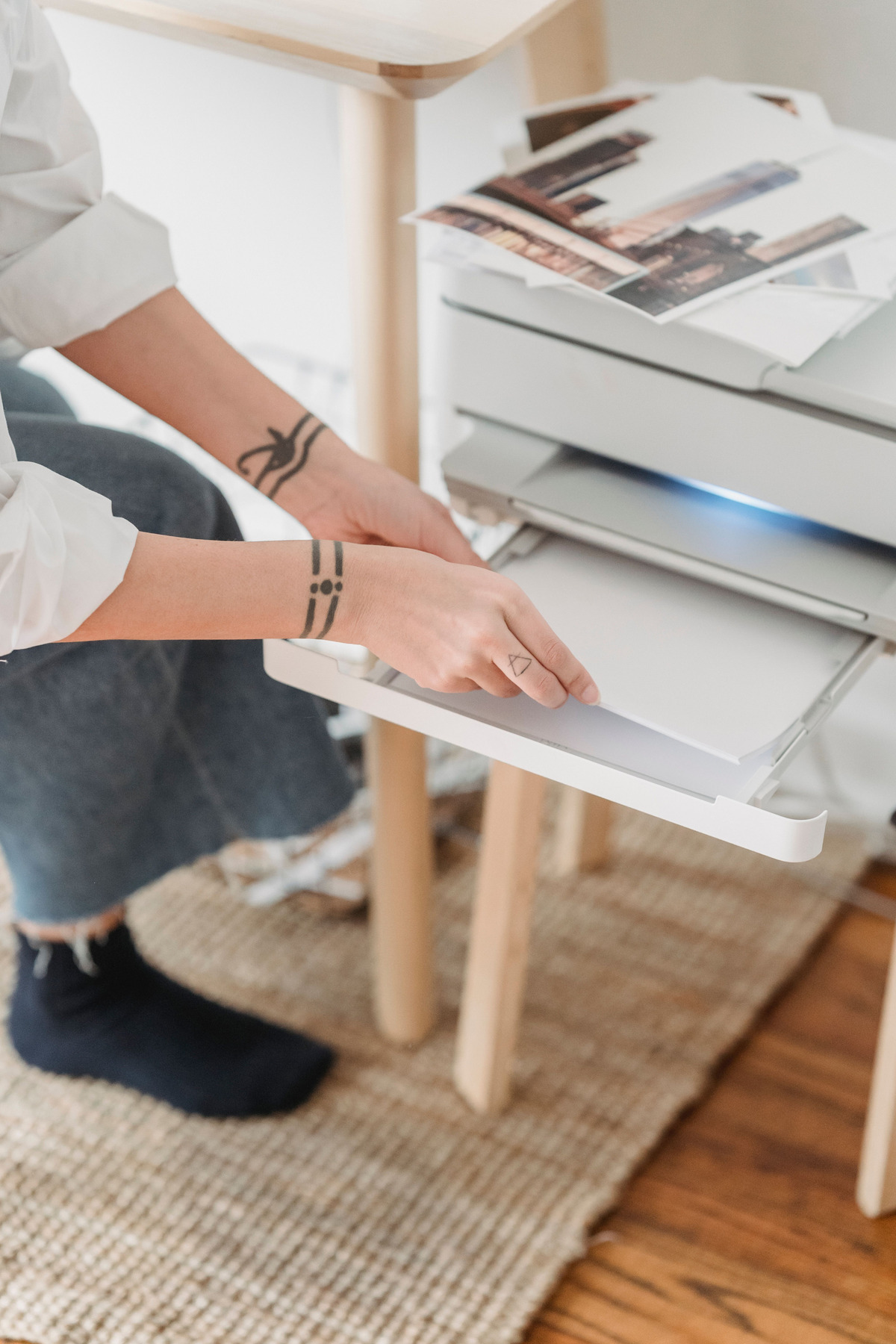
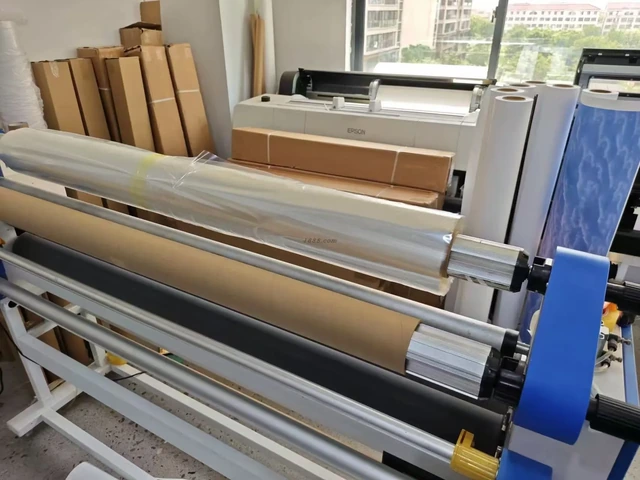
The paper in this photograph makes the distinction tangible: the file supplies image data; producing a print also requires a physical support and a printing process. Buying a file leaves that production step to someone else—often you or a print service you choose.
Separate four questions that listings often compress into one phrase
We find the term easier to read when each part answers its own question. None of these labels can substitute for the others.
On a narrow screen, scroll sideways to read all columns.
| Question | What the answer tells you | What it does not establish |
|---|---|---|
| How was the image made? | Photographed, scanned, drawn digitally, generated or otherwise developed. | Whether you receive a file or a physical object. |
| How was it printed? | For example, inkjet onto paper or canvas. | The edition size, the framing package or an automatic quality grade. |
| What does this option deliver? | A download, an unframed print, or a specified framed object. | Whether you personally enjoy the image or whether the offer is worth its price. |
| What edition is being offered? | The seller’s stated release quantity and documentation. | A limit imposed by digital printing itself, or a promise of future resale value. |
A digitally drawn picture can be sold as a shipped print. A scanned painting can be sold as a download. A digitally printed work can have a stated edition limit. These combinations are possible because image creation, output and sale terms are separate decisions.
That also answers a common worry: digital printing does not mean AI-generated art. Printing from a file tells us how information reaches the printer, not how the image was originally created. If that origin matters to you, look for a separate explanation from the artist or studio.
Read the selected option, not just the attractive preview
A seller discussion about an iPad drawing makes the language problem clear: the seller was offering physical prints, while some replies understood “digital print” as file-only. A separate buyer discussion describes a low displayed price corresponding to a download while physical versions cost more. These are individual reports, not a measure of how often the problem occurs.
Consider a hypothetical listing that shows the same framed image beside three options: “Digital download,” “11 × 14-inch print” and “Framed 11 × 14-inch print.” A buyer who wants a delivered framed work should select the third option and check that the description confirms both the print and frame. The first supplies no physical print; the second does not, by its wording, include a frame.
Even a file described as “11 × 14 inches” is still a file: that may describe an intended output size. If the selected option and description conflict, we would pause and ask, “Will this exact option ship as a printed, framed object, or will I receive a file only?” We would not infer the answer from price, a room mockup or the presence of a size selector.
An image can look painterly before it is printed
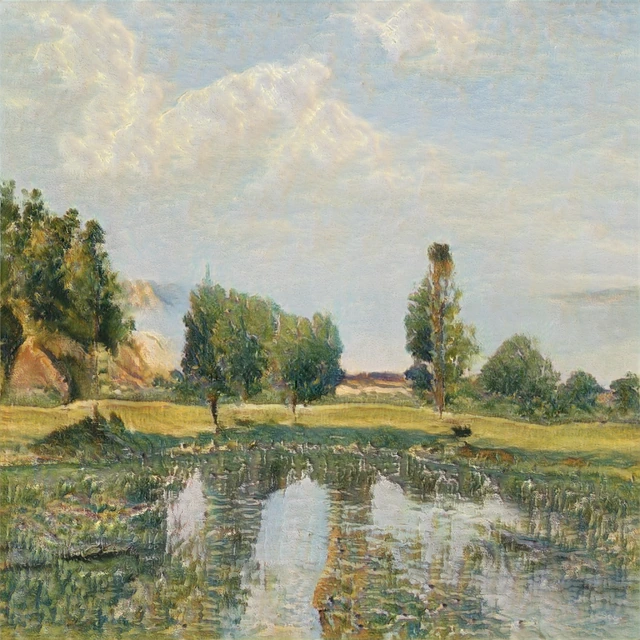
In Whispart’s Hour Between Bells, the warm face sits against a cooler blue and violet field. The uneven eyes, dark hair and mottled marks give the image a hesitant, unsettled presence. Those are visible reasons someone might want to keep looking at it.
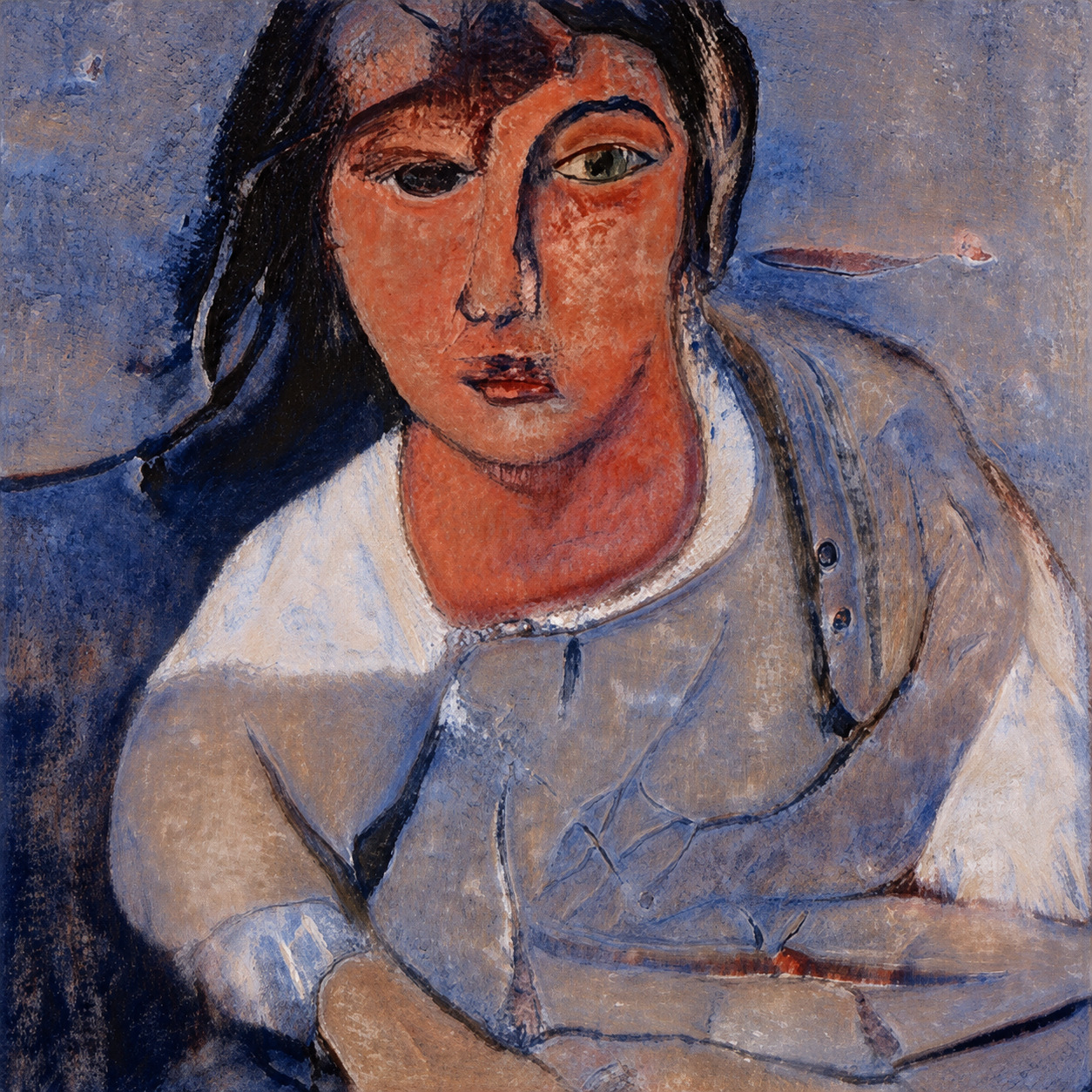
I would begin with that visual relationship, rather than assuming that either “digital” or “painterly” is a quality verdict. The picture can help you judge its colors, forms and associations on your screen. It cannot let you touch the eventual surface or establish how it reflects light.
Our studio treats physical production as a material translation: the image is a starting point, while the support, scale and presentation become part of the object you live with. That is our approach to making and choosing work, not a claim that this screen image proves its printed appearance. Our GAN process account explains the image-selection and physical-release stages in more detail.
A real offer: which buyer does this version fit?
On October 21, 2026, we checked the Black Aluminum Frame option for Hour Between Bells. Its public page described textured fine-art inkjet canvas, flat-mounted with a mat and acrylic glazing, and an overall framed size of 50 × 50 cm (19.7 × 19.7 inches). It offered a shipped physical work. Those are the listed specifications, not measurements or print tests we performed.
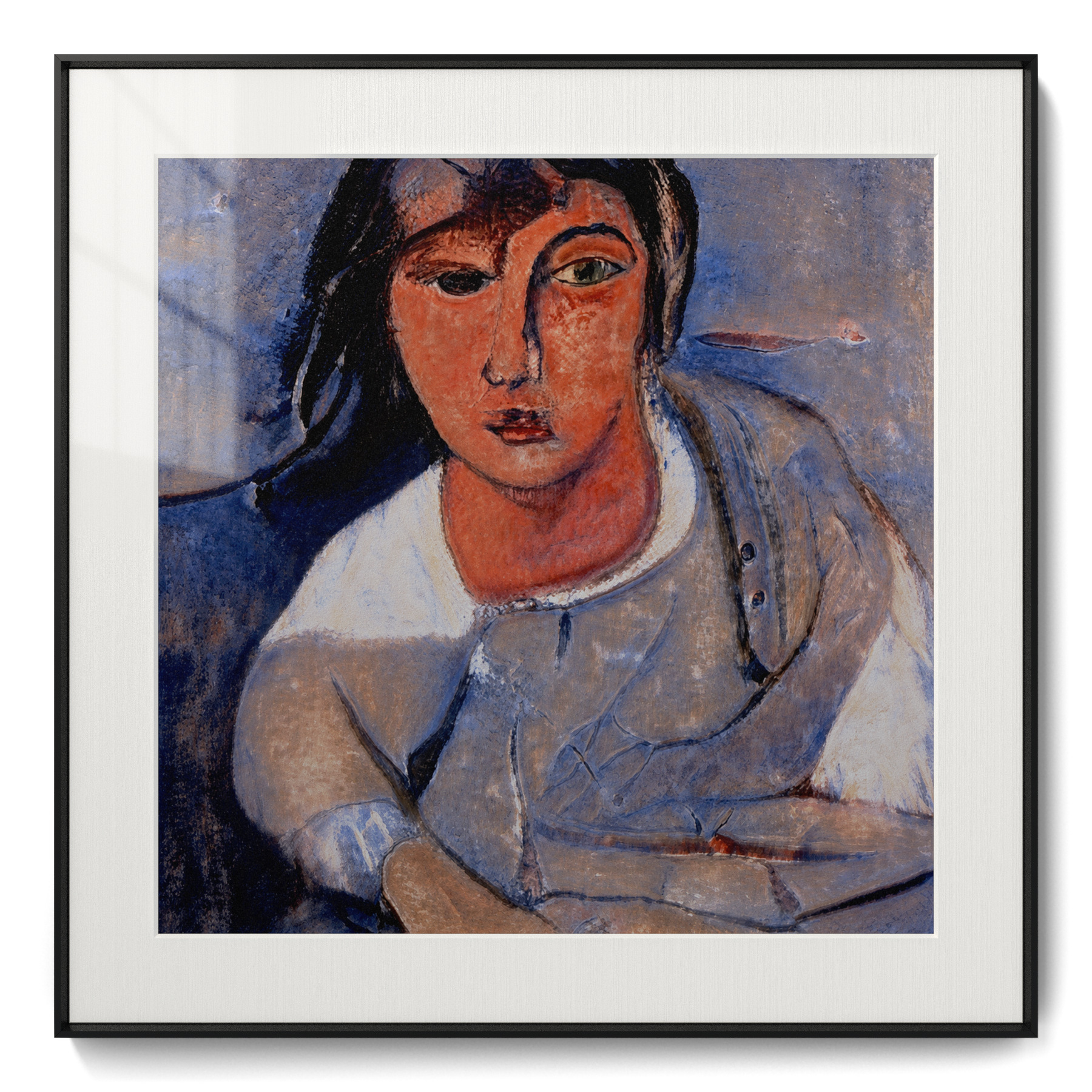
For an imagined buyer who likes this image and wants a delivered framed object, this is the relevant type of offer to shortlist. The printing method and physical delivery are compatible: a digital image becomes an inkjet-printed, framed work. Shortlisting still leaves the buyer to judge its size, price and current terms.
Change the requirement to “I want a high-resolution file to print locally,” and this physical offer is the wrong choice. The picture is the same, but the required deliverable has changed. A buyer who wants only a file needs an offer explicitly supplying that file; we are not claiming this work has a download edition.
For the next decision—whether the specified materials and price suit you—see Art Print vs Poster. For the complete size, seller and evidence checks before payment, use our online wall-art buying guide.
FAQ
Is a digital print the same as a digital download?
Technically, a print is physical output. A download is a file. Sellers sometimes blur the terms, so confirm what the selected option delivers rather than relying on its title.
Can a digital print be a reproduction of a painting?
Yes. A digitized image of a painting can supply the printer. The resulting print is different from the original painted object, even if the reproduced marks look like brushwork.
Does digital printing mean an unlimited edition?
No. The process can produce multiple outputs, but an edition limit is a separate artist or publisher commitment. Read the particular release terms and documentation; the printing label alone supplies neither a limit nor a value guarantee.
Does a physical print include a frame?
Only if the selected offer says so. A shipped sheet, a canvas and a framed object are different packages. Confirm the frame, mat and glazing where they matter to your choice.
Sources and image notes
Xerox and HP supply the general printing-process explanations linked above. Avant Arte’s digital-print glossary gives the same file-to-material distinction in an art context. The selected Whispart offer was checked on October 21, 2026; availability and terms can change. The three-option listing is hypothetical, while the named Whispart listing is real.
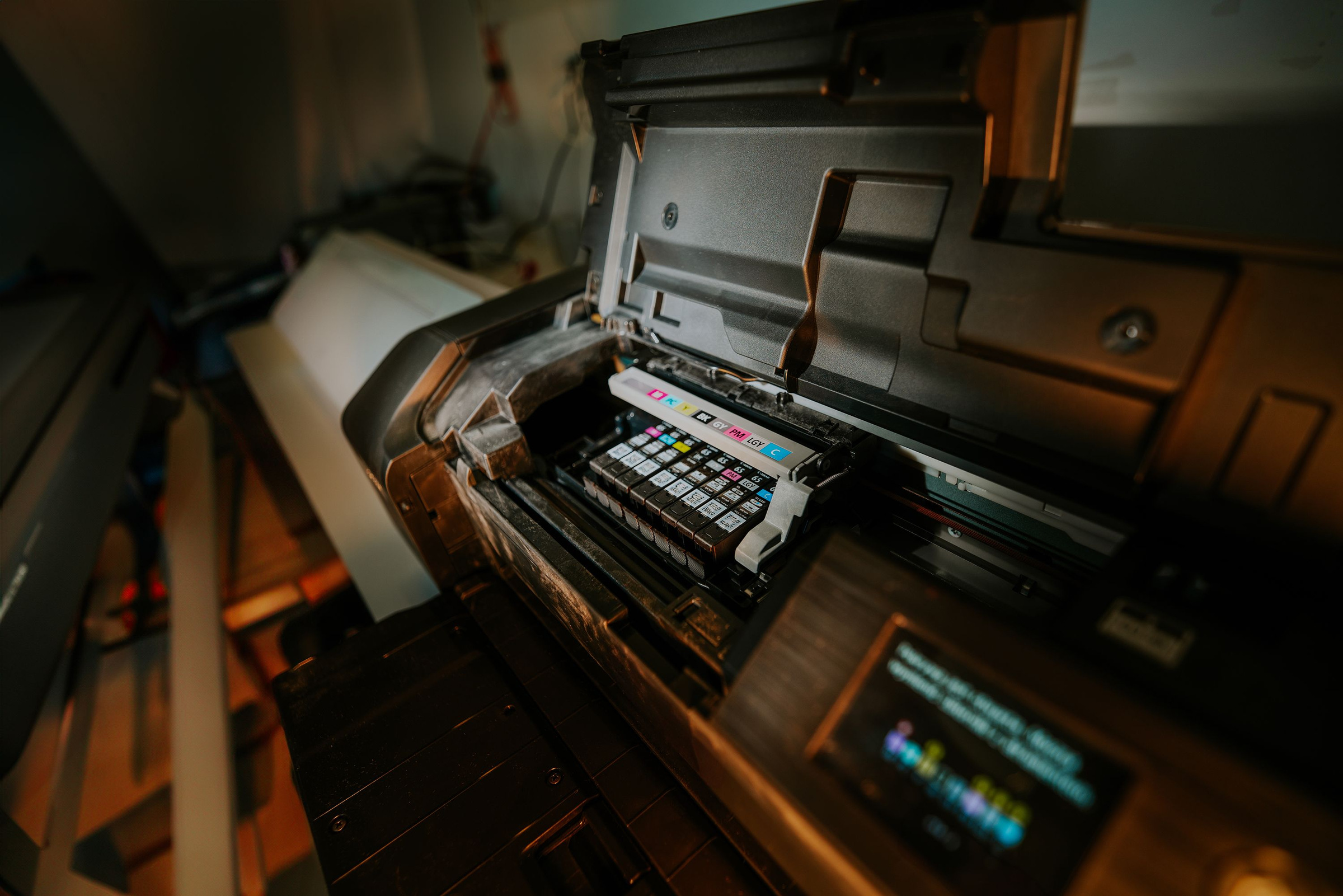
The studio paragraph applies our recorded view of physical production; it does not report a new experiment. The original and framed presentation show the same work, with their different evidential limits stated in the captions. Cover: open inkjet printer by Jakub Zerdzicki / Pexels, used under the Pexels License. The printer photographs are external illustrations, not photographs of Whispart’s equipment or production partner.